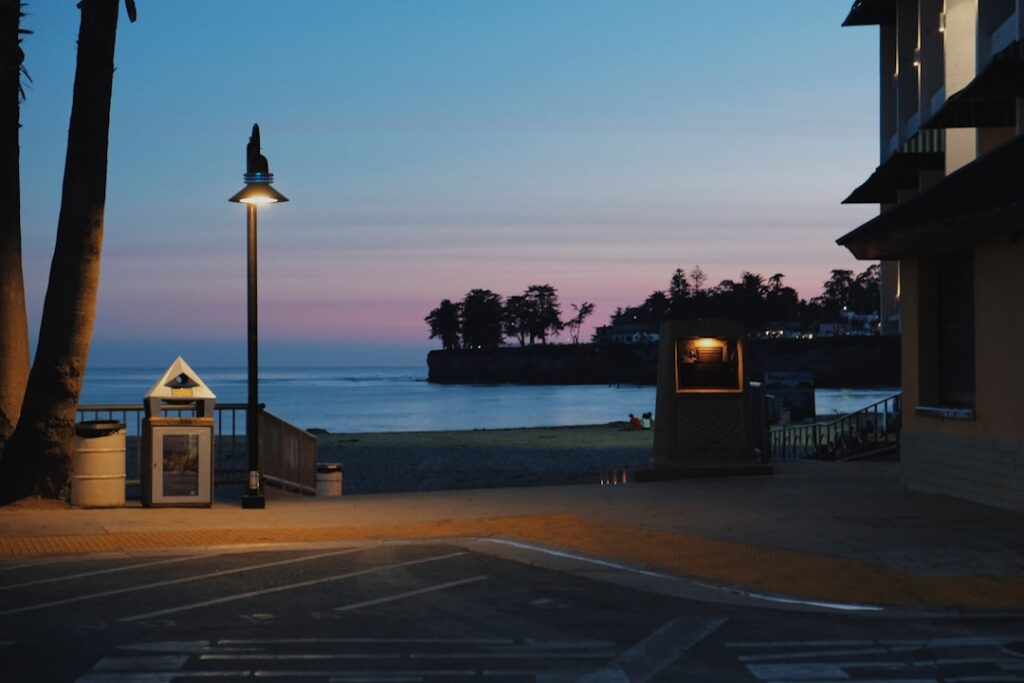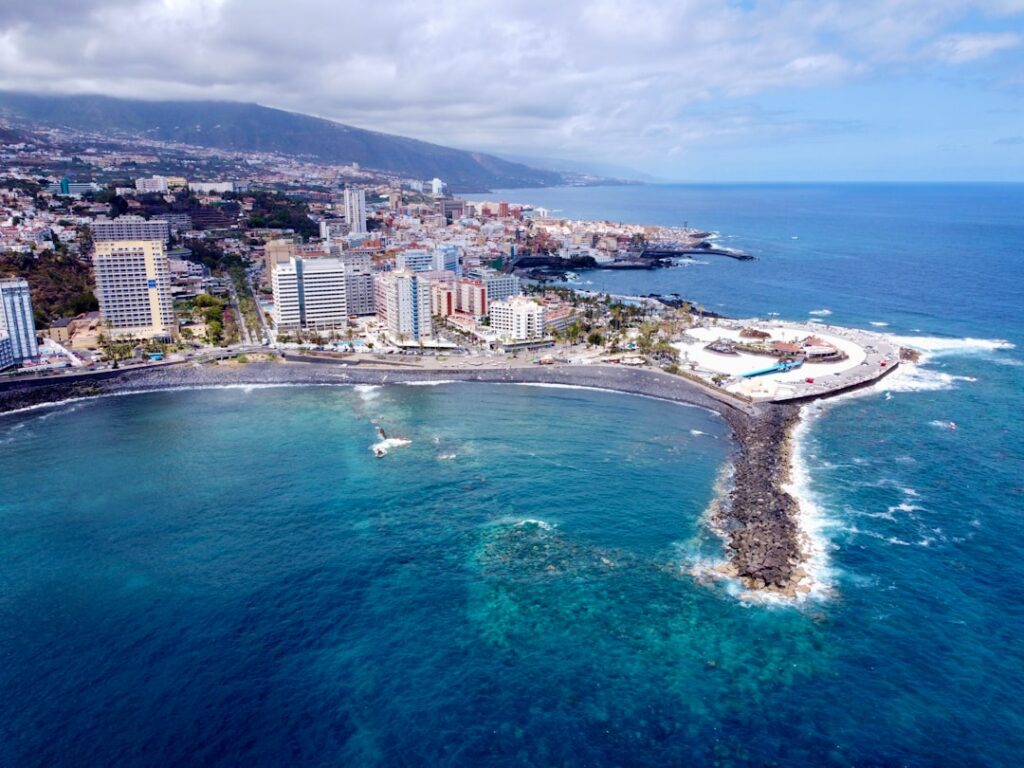






Introduction — Why preparing your safety in Tenerife matters
Tenerife, the largest of the Canary Islands, draws millions of visitors every year thanks to its spring-like climate, volcanic beaches, dramatic mountain scenery and rich cultural heritage. Still, like any trip, peace of mind doesn’t happen by accident: prevention, good information and simple habits turn a pleasant stay into a truly relaxed experience. This comprehensive guide focuses on Tenerife safety: 10 simple rules for stress-free travel, providing precise addresses, practical opening hours, indicative prices in euros and concrete local tips.
Traveling safely doesn’t mean living in fear; it means knowing emergency resources, understanding local specifics (weather, terrain, regulations), and adopting everyday behaviours (protecting your belongings, planning routes, respecting mountain and road signage). Tenerife mixes bustling urban areas — like Santa Cruz de Tenerife and Puerto de la Cruz — with sensitive natural zones — Teide National Park, the cliffs of Los Gigantes, coastal paths. Each setting calls for adapted precautions: in towns, be alert to petty theft and counterfeits; in the mountains, prepare for cold and altitude changes; on the road, be mindful of secondary road features and car rental rules.
This guide is designed as a practical tool: you’ll find ten clear, numbered rules, each with concrete examples — useful service addresses (police, hospitals, tourist offices), current indicative prices (public transport, taxis, common medical services), typical opening hours and local recommendations. The practical information aims to help decisions before departure and during your stay: where to report a stolen item, how to organize a Teide hike, which insurances to consider, and how to avoid common tourist scams. We also include tips for families, hikers, drivers and night-time travellers.
Throughout the ten rules below you’ll find immersive descriptors to help visualise places (beaches, markets, bus stations, first-aid posts), along with visual markers 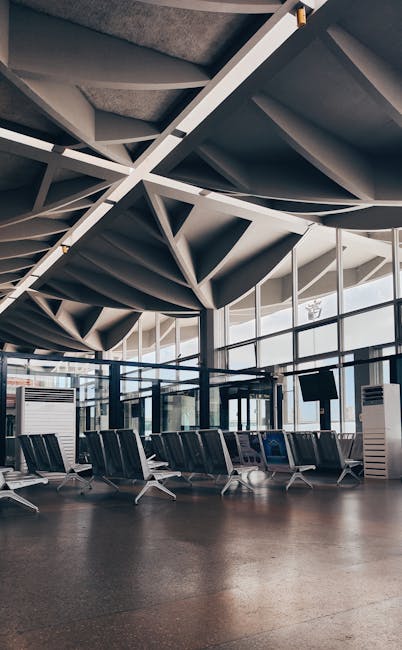 or
or 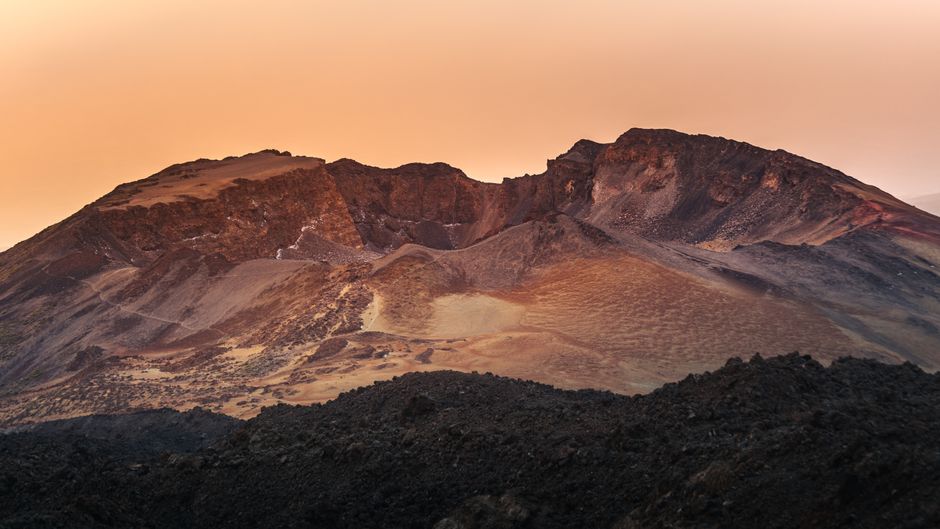 to help you spot risk areas or points of interest. Whether you’re heading to Tenerife for the beach, hiking, cultural discovery or a mix of activities, these recommendations will help you approach your trip with confidence and calm.
1. Know emergency numbers and addresses: quick coordination protects your trip
Knowing who to call in an emergency is the first safety rule. In Tenerife, the European emergency number is 112 (operators speak Spanish and often English). It connects you to police, fire services or medical assistance. Additionally, save the contact details of the most useful local facilities depending on where you stay.
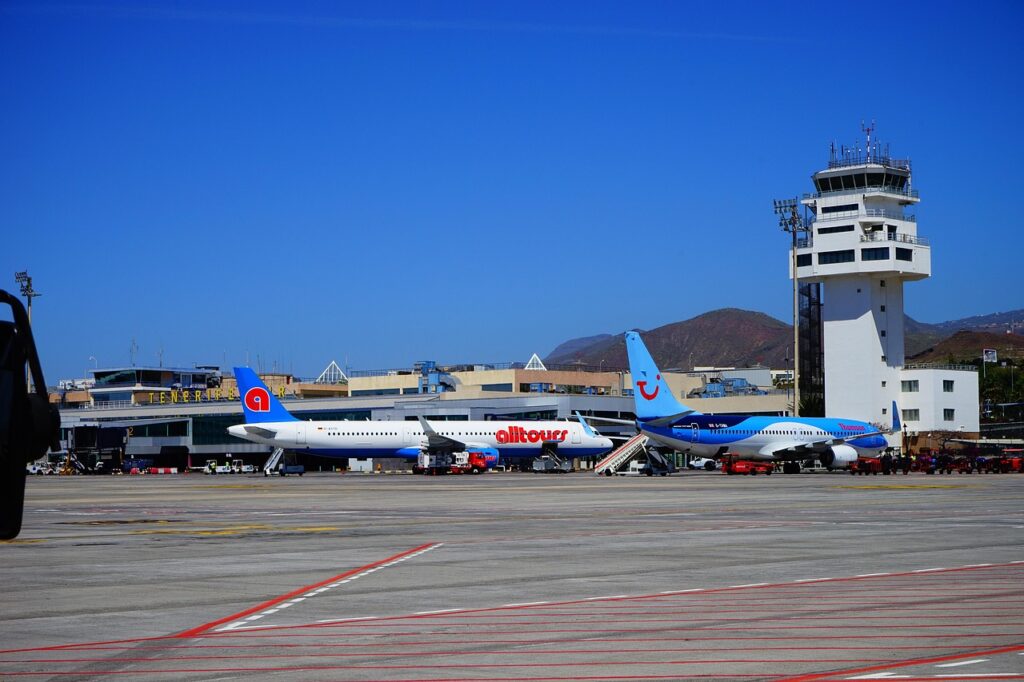
- Aeropuerto Tenerife Sur – Reina Sofía (TFS Airport) — Avenida de Tenerife, s/n, 38610 Granadilla de Abona, Santa Cruz de Tenerife. Open 24/7. Phone: +34 922 75 91 00.
- Comisaría de Policía Nacional – Santa Cruz de Tenerife — Calle San Antonio Abad, 48, 38002 Santa Cruz de Tenerife. Hours: emergency services generally 24/7, reception desk 09:00–14:00. Non-urgent phone: +34 922 23 66 00.
- Guardia Civil – Puesto Principal de Los Cristianos — Calle Juan XXIII, 3, 38650 Arona. Open 24/7. Phone: +34 922 78 30 50.
- Hospital Universitario de Canarias — Carretera TF-5, km 5.5, 38320 San Cristóbal de La Laguna. Emergency department open 24/7. Phone: +34 922 678 000.
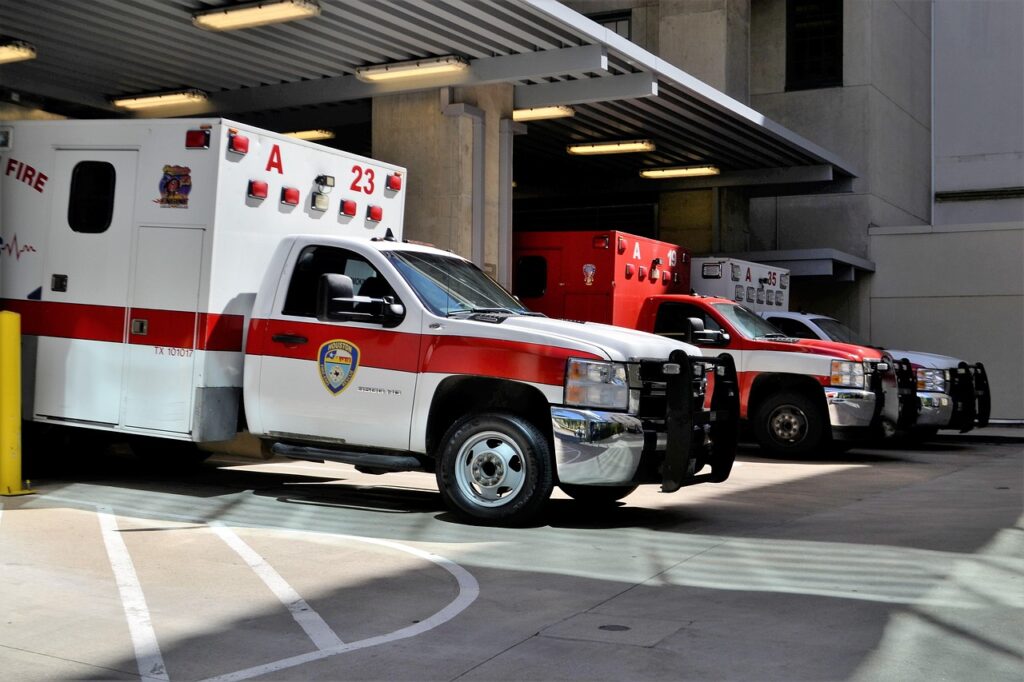
- Hospital Universitario Nuestra Señora de Candelaria — Carretera General del Sur, s/n, 38180 Candelaria. Emergency services 24/7. Phone: +34 922 54 40 00.
Practical tips: save these numbers before you arrive and keep them offline (screenshot). If you travel with medication, carry a copy of the prescription and name a local emergency contact. In high mountain areas such as Teide National Park, mobile coverage can be spotty: tell someone your route and expected return time. To report a minor loss or theft, the Policía Local or Guardia Civil will file an official report (denuncia) required for insurance claims.
2. Prepare your documents and payment methods: copies, insurance and secure budget
Having the right documents in the right formats avoids many headaches. Bring a valid ID (passport or national ID card for EU nationals), a paper copy and a securely stored digital copy (cloud or encrypted USB). If you rent a car, keep the rental contract and an international driving permit if needed.
Make sure you have travel insurance that includes repatriation, liability and medical assistance. Consultations in public emergency departments can be free for EU citizens, but specific treatments or private hospital stays may incur charges. For maximum peace of mind, plan for insurance covering at least €30,000 in medical expenses.
- Cards and cash: most businesses accept cards. Still, carry cash for small shops, local markets and some taxis: euro bills and coins. ATMs are available at airports and city centers. Bank fees vary by institution (€1–3 + currency conversion commission sometimes).
- Indicative fares: TITSA intercity bus: €1.45–€2.50 depending on zone. The rechargeable Ten+ card is available at stations and TITSA offices (discounts of 5–10% depending on route). Taxi initial fare: about €3.20 + €0.87/km (indicative rates).
- Useful local offices: Oficina de Turismo de Santa Cruz — Plaza de España, 8, 38003 Santa Cruz de Tenerife. Hours: 09:00–19:00. Phone: +34 922 53 70 40.
Local tips: avoid carrying all your cards and cash in one place. Use a discreet travel belt or an anti-theft bag when moving around town. Enable SMS transaction alerts from your bank and, if possible, use a card with dynamic authorization (3D Secure) for online payments. If a merchant asks for cash at a discounted rate, be wary of counterfeits and prefer official outlets for valuable purchases (rental agencies, reputable jewellers).
3. Choose your accommodation wisely: location, facilities and anti-intrusion security
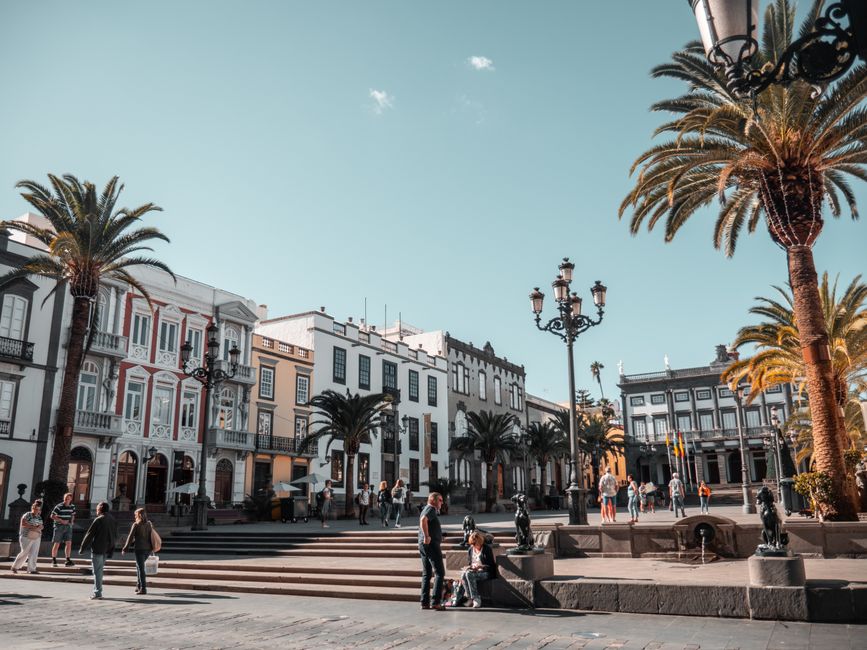
Your choice of accommodation greatly affects how relaxed your stay will be. Prefer properties with strong reviews across platforms and full contact details (address, phone, manager). Neighbourhoods differ: Playa de las Américas (Arona) is very lively and offers many services but can be noisy at night; Costa Adeje is more upscale and quieter; Puerto de la Cruz (Plaza del Charco, 38400 Puerto de la Cruz) has a traditional feel.
Addresses and examples:
- Gran Hotel Iberostar Playa de las Américas — Av. de las Américas, s/n, 38660 Arona. Phone: +34 922 77 88 99. 24h security service. Indicative rates: rooms from €90–€150/night depending on season.
- Hotel Botánico & The Oriental Spa Garden — Avenida Richard J. Yeoward, 1, 38400 Puerto de la Cruz. Phone: +34 922 38 01 18. Indicative rates: €140–€250/night, spa and in-room safes available.
- Apartamentos Los Hibiscos — Calle Méndez Núñez, 7, 38400 Puerto de la Cruz. Indicative rates: €60–€100/night, safe at reception.
What to check before booking: an in-room safe, magnetic key cards or secure locks, communal CCTV, 24h reception or secure access codes, proximity to medical services or a pharmacy (ex. Farmacia Central, Calle Imeldo Serís, 1, 38002 Santa Cruz de Tenerife — usually open 09:00–21:00, phone: +34 922 28 15 20). If you rent a private apartment, ask the owner for a written note about the neighbourhood’s safety and recent photos of locks and entryways.
Practical tips: on arrival, test the door and window closures. Don’t leave valuables visible from outside. Note the full address including postal code (e.g. 38003 Santa Cruz de Tenerife) and keep the route from the airport or station handy for nighttime arrivals. If you’re travelling with a group or family, choose a place with an extra bedroom and a fridge to store temperature-sensitive medication.
4. Plan your transport: safe car, bus and taxi travel
Getting around Tenerife offers variety: intercity buses (TITSA), limited trains, taxis and car rentals. Each mode has its quirks. TITSA runs a dense network linking Santa Cruz, La Laguna, Puerto de la Cruz, Los Cristianos and Adeje. Stops are often marked by yellow TITSA signs; schedules vary by line.
- TITSA bus — Fares: single ticket €1.45–€2.50 depending on zone. Ten+ card: initial purchase ~€2 + top-up (possible fare discounts). Main Santa Cruz terminal: Estación de Guaguas — Calle Azaña, 1, 38002 Santa Cruz de Tenerife. Operating hours vary, generally 06:00–23:00 depending on the route.
- Car rental — Tenerife South (Reina Sofía) and Tenerife North (Los Rodeos) airports. Examples: Cicar, Avis, Hertz. Average rates: €25–€50/day for a small car off-season, basic insurance included; additional insurance options €5–€15/day. Check the vehicle condition (tires, lights, service log) and report any scratches before you leave.
- Official taxi — Base fare: about €3.20, indicative rate ~€0.87/km. Official ranks: Tenerife South Airport (in front of the terminal), Santa Cruz (Estación de guaguas) and Los Cristianos (Plaza del Pescador, 38650 Arona).
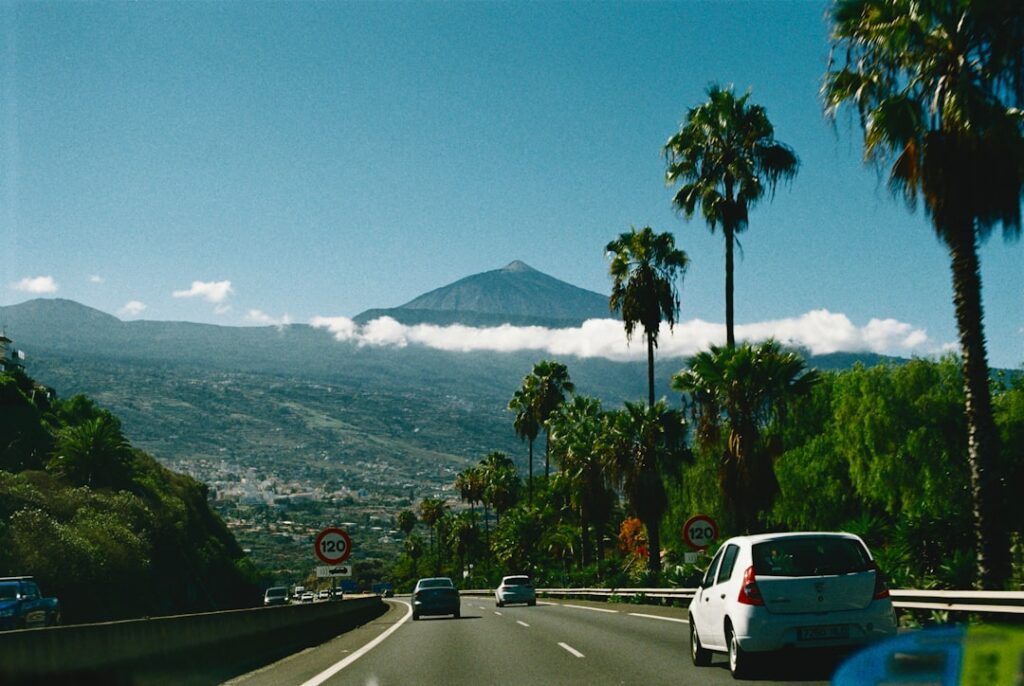
Local specifics: mountain roads (TF-21 to Teide, TF-82, TF-373) have many bends and steep sections; fog or rain can drastically reduce visibility. Respect speed limits (often 90 km/h on main roads, 50 km/h in towns) and watch for pedestrian crossings. For hikes, park in designated areas (official parking in Teide National Park: El Portillo car park, TF-24, or Teleférico del Teide — paid access for the cable car).
Practical tips: use official taxi ranks or call a reputable company (central taxi number Santa Cruz: +34 922 61 11 11). If you rent a car, take dated photos of the vehicle at pick-up and return to prevent disputes. In high season, book ahead — especially for airport transfers — and carry a paper map or offline GPS app for areas without coverage.
5. Sea safety: beaches, currents and local rules
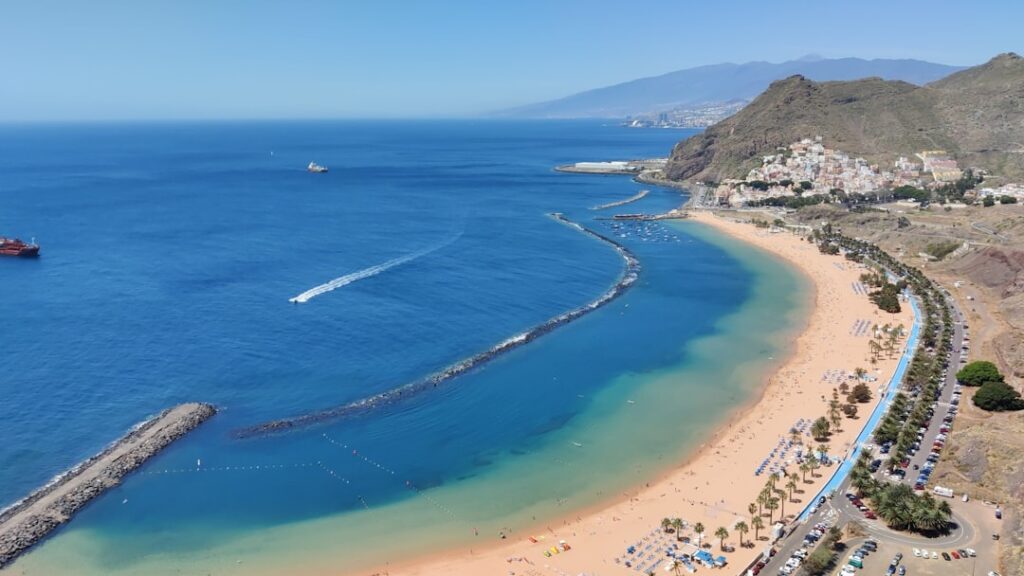
Tenerife’s beaches vary: imported golden-sand beaches (Playa de las Teresitas, San Andrés), black volcanic shores (Playa Jardín, Puerto de la Cruz) and secluded coves. Sea safety depends on weather, beach flag signals and the presence of lifeguards. Learn to recognise beach signage.
- Playa de las Teresitas — San Andrés, 38120 Santa Cruz de Tenerife. Golden sand beach, usually patrolled in season 09:00–18:00 (hours vary). Access via TF-11. Facilities: showers, toilets, kiosks.
- Playa Jardín — Avenida Rafael Puig Lluvina, 38400 Puerto de la Cruz. Volcanic beach with facilities, monitored areas and wheelchair access. Lifeguard hours seasonally 10:00–18:00.
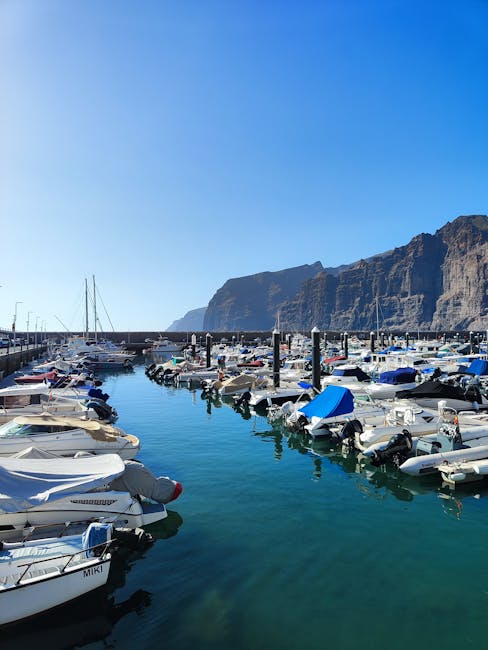
- Los Gigantes Cliffs viewpoint — Avenida Marítima, 38683 Santiago del Teide (mirador). Not suitable for swimming; strong surf possible.
Key rules: respect the flags (green = safe to swim, yellow = caution, red = no swimming). If you snorkel or dive, tell someone your entry point and expected return time. Rip currents can be powerful: swim parallel to shore to escape a rip and call for help. For motorised water activities (jet ski), rent from licensed operators and check safety equipment (life jackets, radios).
Practical tips: avoid leaving valuables on the sand; use lockers or a waterproof pouch secured to your body. Night swimming is particularly risky: most beaches are not supervised after dark. If you explore rocky areas for marine life, wear suitable shoes and beware of slippery algae.
6. Hiking and mountains: how to hike safely in Teide and beyond
Teide National Park’s volcanic landscapes are one of the island’s highlights, but altitude and weather demand solid preparation. The Teide cable car (Teleférico del Teide) departs from the lower station at Montaña Blanca, TF-21. Cable car access address: Carretera TF-21, km 43, 38300 La Orotava. Hours: generally 09:00–17:00 (seasonal variations). Indicative round-trip fare: adults €27 (approx.), children €13.50 (check the official site for up-to-date prices). 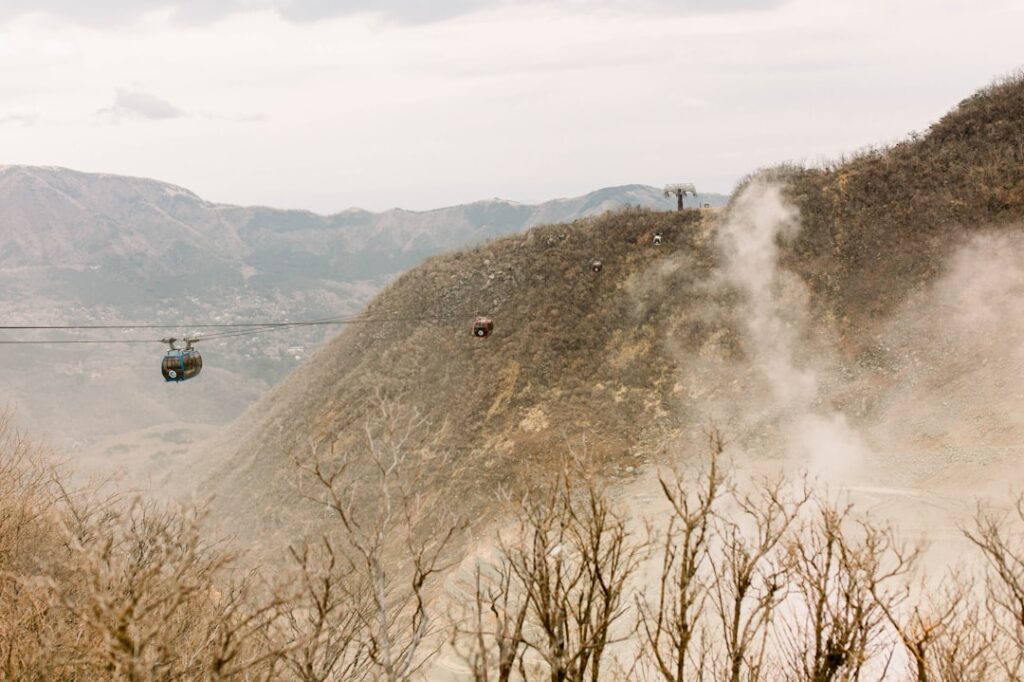
If you plan to reach the summit (Pico del Teide), a special permit is required to access the final trail section (at altitude 3718 m). Request the permit in advance via the Teide National Park website. Without a permit, stick to marked trails such as Mirador de La Fortaleza or Roques de García.
- Recommended gear: sturdy hiking boots, warm clothing (even in summer, temperatures drop at altitude), water (minimum 2 litres per person for a half-day), sunscreen and a paper map of the park.
- Timing tips: start early to avoid heat and afternoon storms. Inform the Guardia Civil or your accommodation reception of your approximate route.
- Services: Oficina del Parque Nacional del Teide — Centro de Visitantes El Portillo, Carretera TF-24, km 11, 38360 El Portillo, La Orotava. Typical hours: 09:00–17:00. Phone: +34 922 92 13 59.
Mountain safety: if you experience altitude sickness (headache, nausea), descend immediately and seek help. Park rescuers and the mountain division of the Guardia Civil handle mountain rescues, but operations in high zones can be long and costly if a helicopter evacuation is required. Consider insurance that covers mountain rescue or repatriation.
7. Health and pharmacies: stay well and handle minor emergencies
Packing medication and knowing local pharmacies is essential. Pharmacies (farmacias) are well distributed across Tenerife’s towns. Example: Farmacia Central — Calle Imeldo Serís, 1, 38002 Santa Cruz de Tenerife. Hours: typically 09:00–21:00 (excluding overnight on-call rotations). Phone: +34 922 28 15 20. On-call pharmacies change daily; notices in windows indicate the week’s emergency pharmacy.
For urgent but non-life-threatening care, head to the nearest hospital emergency department (see addresses in section 1). Private clinic consultations vary in price: a GP visit in a private clinic roughly €50–€120 depending on specialty. Pharmacy prices: typical painkiller (paracetamol) ~€2–€4, sunscreen SPF30 ~€10–€20 depending on brand.
- Vaccinations: no specific vaccinations required for travellers from Europe. Ensure routine vaccines are up to date.
- First-aid kit: plasters, disinfectant (alcohol or povidone-iodine), anti-diarrhoeal meds, anti-nausea meds, antihistamines, cream for insect bites, a small roll of bandage, thermometer.
- Local notes: tap water is generally drinkable but may taste chlorinated or different; if sensitive, choose bottled water (€0.50–€1.50 depending on size).
Practical tips: note the address of the local on-call pharmacy on arrival and keep a copy of your prescriptions. If you have a chronic condition (asthma, diabetes), bring an adequate supply of medication and a translated prescription in English/Spanish. For sea or mountain activities, protect yourself from the sun with a hat, sunglasses and sunscreen and hydrate regularly.
8. Prevent theft and scams: behaviours and risky places
Pickpocketing and small scams occur in Tenerife like any tourist destination, but they remain generally rare if you follow a few simple rules. High-traffic areas (city centres, ports, busy beaches, markets) require extra vigilance. Leaving items unattended on the beach and transfer service scams are among the most reported incidents.
Sensitive spots: the municipal market Nuestra Señora de Africa — Avenida Tres de Mayo, 38004 Santa Cruz de Tenerife (open roughly 07:00–15:00) attracts crowds; the bus station Estación de Guaguas (Calle Azaña, 1) is another busy hub. Watch your bags, prefer zipped bags and wear your bag in front when it’s crowded.
- Common scams: fake taxis asking inflated flat rates, unofficial excursion offers, resale of counterfeit tickets for attractions (always check official agencies or ticket counters). If a driver insists on cash payment without a receipt, refuse and go to the next rank.
- Valuables: limit what you carry. Keep photocopies of documents and use an inside pocket for cards. Use the hotel safe for passports and jewellery.
- If you are robbed: go to the local police station to file a denuncia (report). Without this document, insurers often refuse reimbursement. Ex. Comisaría Policía Nacional — Calle San Antonio Abad, 48, 38002 Santa Cruz de Tenerife.
Practical tips: quick photos of your luggage and contents before departure can speed up claims. Be wary of over-eager street sellers offering “great deals” or “last tickets”. Keep receipts for purchases and compare official prices to avoid overcharging. Finally, learn a few essential Spanish phrases to report an emergency (e.g. “Me han robado” = I’ve been robbed).
9. Respect the environment and local rules: for your safety and others’
Following local rules protects both visitors and the island’s beauty. Tenerife enforces strict regulations on national park protection, waste management and marine protected zones. Non-compliance can lead to significant fines.
Examples of rules: camping is prohibited in non-authorised areas within Teide National Park; removing or moving volcanic rocks is forbidden (penalties possible); drone use is regulated (authorisation required in some areas, especially near housing and the national park). Fines for littering or wild camping range from €100 to several thousands depending on severity.
- Beaches and marine protected zones: follow signs protecting seagrass (posidonia) and nesting areas. Don’t drop cigarette butts or rubbish on sand or in the sea.
- Fires and BBQs: largely banned in natural areas and sometimes monitored by the Guardia Civil; high fire risk during summer.
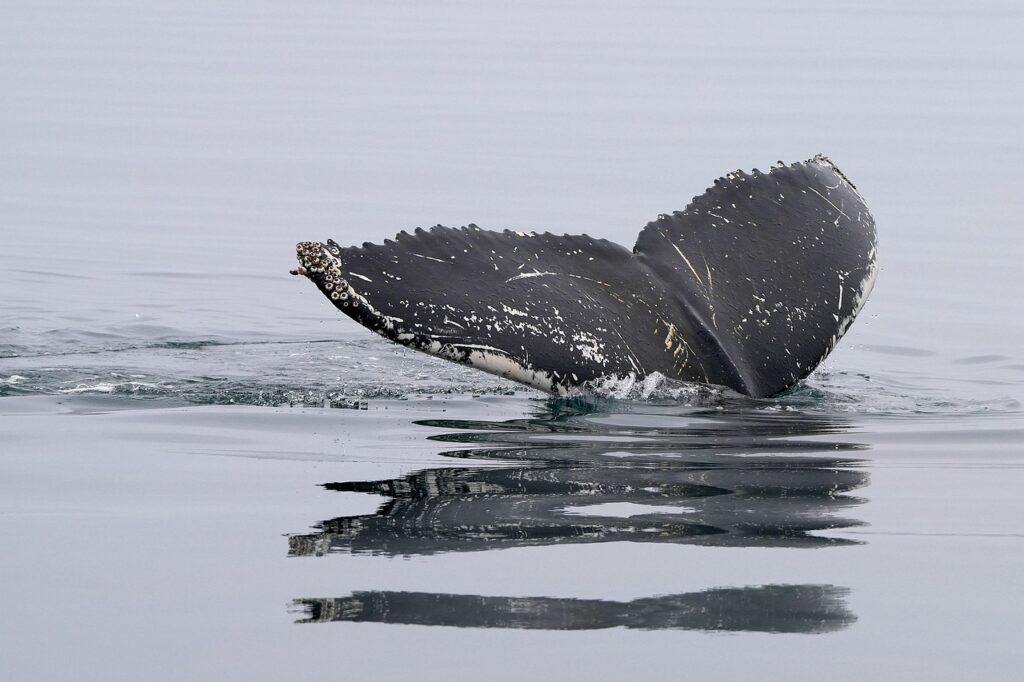
- Species protection: don’t touch marine animals and heed local guides. Whale and dolphin watching trips (marinas of Los Cristianos, Puerto Colón) are regulated: choose an accredited operator (boat-watching fares ~€25–€40/person depending on duration).
Practical tips: check with tourist information desks (ex. Oficina de Turismo de Puerto de la Cruz — Plaza del Charco, 15, 38400 Puerto de la Cruz) about local rules before any activity. Carry a bag for your rubbish and use municipal bins. In case of fire or natural danger, follow official instructions from the authorities and avoid blocking evacuation routes.
10. Specific tips for family travel and night-time outings: vigilance and comfort
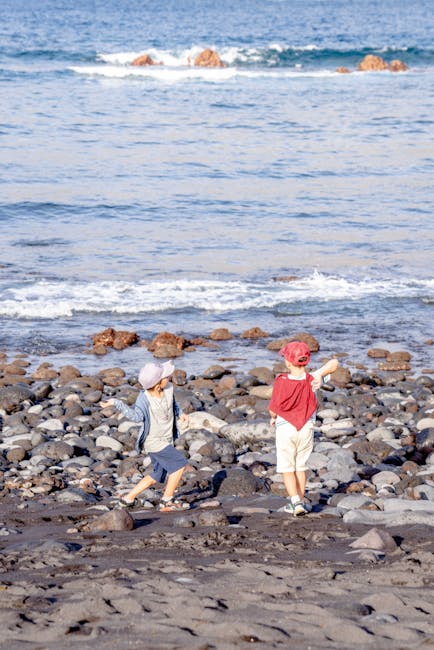
Travelling with family or going out at night requires adapted measures. For families, choose lifeguarded beaches, accommodation with amenities (cot, microwave) and proximity to medical centres. For night outings, stick to well-lit areas and use taxis or travel in groups.
Practical examples:
- For families: Playa de las Vistas — Av. de Rafael Puig Lluvina, 38670 Costa Adeje. Family-friendly beach with calm waters and seasonal lifeguards. Close to hospitals and pharmacies.
- For nights out: favour recognised restaurants and clubs in tourist areas (e.g. Siam Mall, Av. de las Américas, 38660 Arona). Check opening hours: many venues close between 02:00 and 04:00.
- Child safety: equip children with an ID bracelet showing the hotel name and a local phone number. For strollers, avoid rocky areas and choose promenades with smooth paths (Rambla de Castro in Los Realejos).
Practical tips: at night, use official taxis or a reputable ride-hailing service and avoid walking alone in poorly lit streets. If you drink alcohol, watch your drinks and those of your companions — isolated cases of tampered drinks have been reported. Finally, plan your return and keep the full address and phone number of your accommodation handy for the taxi driver.
Conclusion — Travel calmly in Tenerife: a mix of information and common sense
Tenerife is a destination you can safely enjoy if you anticipate a few key elements: know emergency numbers and addresses, prepare documents and payment methods, choose secure accommodation, organise transport, follow sea and mountain guidelines, look after your health, prevent theft and scams, respect the environment and adapt behaviour for families and nightlife. The ten rules presented here form a clear, practical framework to reduce risks and fully enjoy the volcanic landscapes, beaches and local culture.
Before you go, make a checklist: copies of documents, valid insurance, confirmed reservations, Ten+ cards topped up if you’ll use the bus, and contact details for nearby hospitals and police stations. On site, adopt local habits — observe beach hours, be cautious on secondary roads, take precautions in tourist hotspots — and don’t hesitate to ask tourist offices like the Oficina de Turismo de Santa Cruz (Plaza de España, 8) or your hotel reception for advice.
Travelling with peace of mind in Tenerife also means relying on the helpfulness of local services: the Guardia Civil, Policía Nacional, hospital teams and park rescuers are there to ensure your safety. Simple preparation, suitable insurance and respect for local rules are usually enough to turn a trip into lasting memories. Have a great stay in Tenerife, stay safe and enjoy every landscape with confidence.