






Introduction — Why it helps to know local behavior before you arrive in Santa Cruz (Tenerife)
Santa Cruz de Tenerife, the island capital, is a lively port city where Canarian traditions, mainland Spanish influences and growing international tourism all mix together. Before you unpack your bags, it’s useful to understand not only the must-see sights but also local manners, social codes and small practical rules that will make your stay smoother. Knowing these customs will save you from cultural missteps, misunderstandings with shopkeepers or public services, and will help you build more authentic interactions with residents.
This article is a practical, hands-on guide: it outlines how to behave on the streets, at the market, in bars and restaurants, on public transport and when attending cultural events. You’ll find precise addresses (museums, markets, cultural venues), typical opening hours, price ranges in euros and situational behavior tips—how to greet a shopkeeper, how to haggle or when to leave a tip. Plus, advice on what to wear for different situations (religious sites, smart evenings at the Auditorio, beach days) and basic safety and environmental care tips.
The Canary Islands have a distinct identity: different eating habits (siestas are less pronounced than on mainland Spain, but the pace is relaxed), a strong festival culture (carnival, romerías) and a different relationship to public space. In Santa Cruz, life often happens outdoors: markets, parks and plazas are social hubs. Knowing how to behave in these public spaces—how to queue, how to respect shop opening hours, how to approach a local for tips—is part of travelling well. This guide offers concrete examples, useful Spanish phrases to use, and recommendations to save time and money while respecting local norms.
Finally, beyond practical tips, this guide highlights etiquette for courtesy and engagement: how to be polite without being overly formal, how to enjoy or observe a local celebration like the Carnavales de Santa Cruz without invading residents’ space, and how to support local businesses respectfully. The sections that follow explore these topics in detail and give concrete reference points—addresses, prices and opening hours—so your arrival in Santa Cruz goes as smoothly as possible.
Greeting people and starting conversations: verbal and non-verbal codes
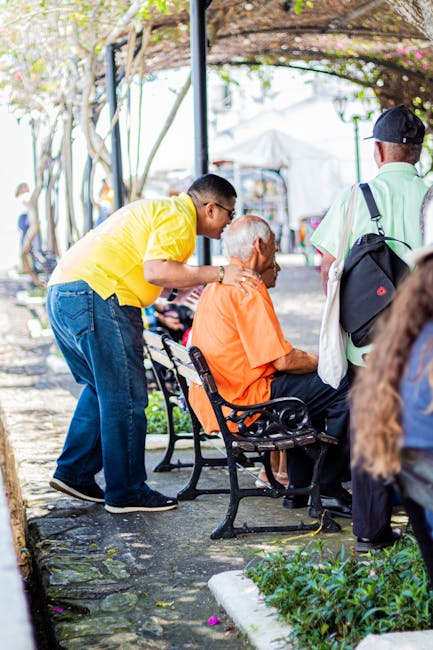
In Santa Cruz, like in most Spanish cities, greetings are warm and often physically close. Among islanders you’ll mainly encounter two common ways to greet someone:
- A handshake: formal, used for a first professional meeting or at a hotel reception (e.g. H10 Tenerife Playa, Avenida de la Constitución, 5, 38003 Santa Cruz de Tenerife). Indicative price for a double room in low season: €70–120 / night.
- A kiss on the cheek: more common in social settings and sometimes in commercial interactions—two light kisses on the cheeks (left then right). Don’t insist if the person offers a hand instead.
Practical tips:
- Start with a simple greeting: “Buenos días” (morning), “Buenas tardes” (afternoon/evening).
- Use polite phrases: “Por favor”, “Gracias”, “Perdón” depending on the situation. They’re appreciated and help open conversations.
- Avoid gripping hands too tightly or holding an embrace for too long—Canarians are warm but they respect personal space at first.
If you’re invited to someone’s home, bring a small gift (for example, a box of biscuits or a bottle of local wine). Invitations are treated sincerely: arrive slightly late (10–15 minutes) if the host indicates this, but don’t show up more than half an hour late without letting them know.
At the market and in shops: behavior, haggling, payment
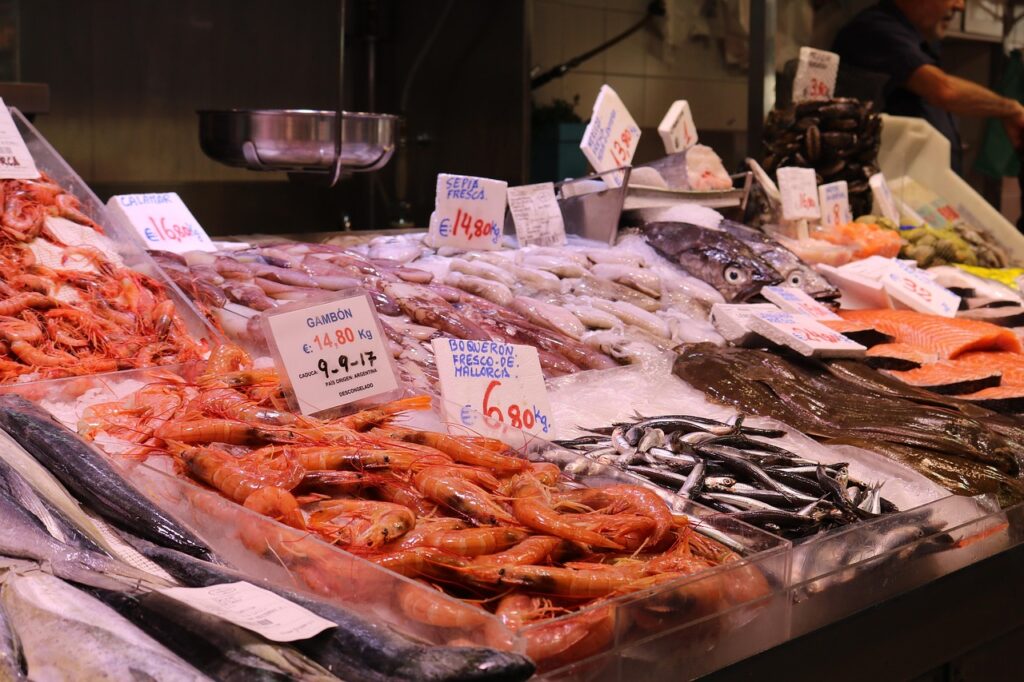
The Mercado de Nuestra Señora de África, often called “La Recova”, is one of Santa Cruz’s most iconic spots. Address: Mercado Nuestra Señora de África, Calle de San José, s/n, 38003 Santa Cruz de Tenerife. Entrance is free and the market is generally open Monday to Saturday from 08:00 to 14:00, with some stalls staying open later on Fridays. You’ll find fresh fish, Canarian vegetables, local cheeses and cured meats. A few behaviors to keep in mind:
- Don’t pick up products without asking: at a traditional market, you should ask the vendor before touching some items, especially fish or meat.
- Haggling: it’s sometimes accepted for bulk purchases or with certain street vendors, but avoid asking for a discount on small purchases in established shops.
- Payment methods: many small stalls only accept cash. Bring notes and coins—an average market purchase: €5–15 for vegetables and cold cuts, €8–20 for a portion of fish.
Shops in the city center (Calle del Castillo, 38003 Santa Cruz) usually open 09:30–13:30 and then 16:30–20:30 on weekdays. Large stores often stay open continuously. Supermarkets like Hiperdino (Av. Tres de Mayo, 20, 38005 Santa Cruz de Tenerife) typically have extended hours: 08:00–22:00.
Practical tips for payment and service:
- Most places accept cards, but for taxis and small purchases keep €10–20 in cash.
- Tips aren’t mandatory, but leaving 5–10% in restaurants or rounding up the bill is appreciated. In a café, leaving the change is usually enough.
- If you buy local products (honey, mojo, cheese), ask about origin and harvest times—most producers love to share these details and it strengthens the exchange.
Restaurants, bars and nightlife: etiquette, bookings and prices
Santa Cruz’s food scene is abundant: seafood restaurants, tapas bars and modern spots. A few useful addresses:
- La Hierbita — Address: Calle San Vicente Ferrer, 9, 38003 Santa Cruz de Tenerife. Traditional Canarian cuisine. Opening hours: 12:30–16:00 and 19:00–23:00. Main courses: €12–18.
- Restaurante El Lagar — Address: Calle de La Marina, 3, 38003 Santa Cruz de Tenerife. Seafood specialties. Opening hours: 13:00–16:00 and 20:00–23:30. Tasting menu: €30–45.
- La Tasca de Lorenzo — Address: Calle Bethencourt Alfonso, 26, 38003 Santa Cruz de Tenerife. Tapas and local wines. Opening hours: 10:00–00:00. Tapas: €3–6 each.
Booking and behavior:
- Reserve for dinner, especially on weekends and during Carnival. Most restaurants accept reservations by phone or via their website.
- Meals usually last longer than in some other countries: expect 1.5–2 hours for a relaxed dinner. Staff often give you time—don’t rush the table.
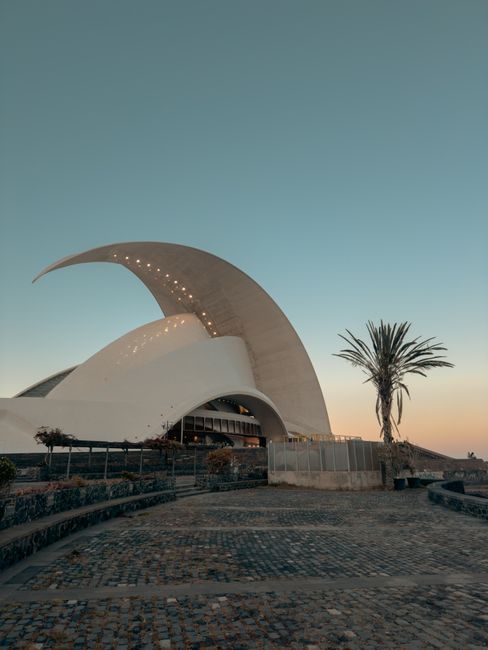
- Dress appropriately for upscale venues, for example the Auditorio de Tenerife for a concert (Auditorio, Av. de la Constitución, s/n, 38003) — “smart casual” is recommended. Concert tickets range from €15 to €60 depending on the program; guided tours of the building cost around €6.
Behaviors to avoid:
- Don’t shout, especially on terraces in the evening: conviviality isn’t an excuse to disturb neighbors.
- Don’t smoke indoors if it’s prohibited—respect smoking areas. Many bars have terraces where smoking is allowed.

Transport, queues and access to cultural sites
Getting around Santa Cruz is mainly on foot in the historic center, by bus or by taxi. The TITSA bus network serves the whole island. A few practical pointers:
- TITSA bus fares: single city ticket about €1.40, rechargeable Ten+ card available at bus stations. Check updated fares at the Estación de Guaguas (Bus Station), Calle Méndez Núñez, s/n, 38003 Santa Cruz.
- Taxis: initial fare ~€3.50, per-kilometre rate ~€0.90–1.10 depending on time and day. Main taxi rank: Plaza de España, 38003 Santa Cruz de Tenerife.
- Cars: parking in the center can be paid and limited. Blue and green zones with meters (cost €0.80–1.50/hour depending on the area). Use public car parks like Parking Intercambiador de Santa Cruz, Calle Méndez Núñez, s/n.
Good practices and behavior:
- Respect queues: residents don’t like people cutting in line, especially for museums (Museum of Nature and Man, Calle Fuente Morales, 7, 38003, general admission ~€6, indicative opening hours 10:00–19:00 Tuesday to Saturday, 10:00–15:00 Sunday). Prefer buying tickets online when possible.
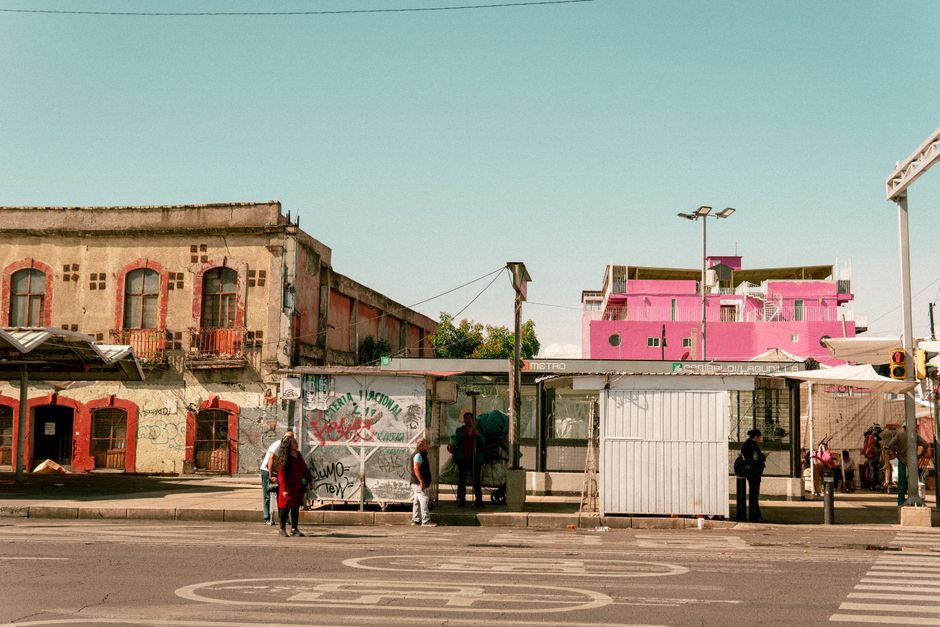
- At bus stops, let people get off first before boarding, and validate your card on board; during peak tourist season have some small change ready to speed things up.
- For venues like the Auditorio de Tenerife, arrive at least 20–30 minutes before a performance if you have non-dated tickets.
Festivals, traditions and public-space behavior
Festivities are a central part of life in Santa Cruz. The Carnival of Santa Cruz de Tenerife (usually in February–March) is world-famous and draws thousands of visitors. There are also romerías and local patron saint festivals. A few rules to observe:
- Respect barriers and zones reserved for participants: even though the atmosphere is very friendly, there are safety protocols in place.
- If you take photos, check people’s consent, especially amateur performers and people in costume. A smile and “¿Puedo hacerte una foto?” often does the trick.
- For concerts and public shows, avoid walking through spectator areas in the middle of a performance; wait for intermissions.
Civic behavior:
- Dispose of your rubbish in the bins scattered around the city; recycling is encouraged (yellow containers for plastic, blue for paper, green for glass).
- Respect the natural areas near the city (cliffs, beaches): no fires or leaving litter. Fines may apply.
- In case of an alert (weather or health), follow municipal instructions shared by your hotel or on official signs in Spanish and English.

Safety, health and environmental tips
Santa Cruz is generally a safe city, but as everywhere it pays to take sensible precautions. Here are practical, concrete tips:
- Health: pharmacies (farmacias) operate normal hours, with an on-call pharmacy available at night. An emergency consultation at a public center can cost €0 for EU residents with a European Health Insurance Card (EHIC); otherwise, make sure you have travel insurance. For emergencies call 112.
- Safety: avoid leaving valuables on the beach or on terraces. Pickpockets do operate, especially in very touristy areas like around Plaza de España and the market.
- Environmental respect: favor reusable bottles (bottled water 1L ~ €0.80–1.50), and obey signage protecting coastal areas.
Final practical tips:
- Carry a photocopy of your passport and keep the original in your hotel safe.
- If you drive, note that some local signs may be only in Spanish; an offline navigation app is useful.
- For administrative questions (tourism office, events), the Santa Cruz Tourist Office is often near Plaza de España—opening hours: 09:00–19:00 in high season.

Conclusion — Travel responsibly and respectfully in Santa Cruz
Arriving in Santa Cruz de Tenerife informed about local behaviors opens the door to a successful stay. By understanding how to greet people, how to act in markets and shops, which rules apply in restaurants and transport, and how to respect festivals and the environment, you’ll gain peace of mind and better-quality interactions with the Canarian people. This guide has given concrete pointers: addresses like the Auditorio de Tenerife (Av. de la Constitución, s/n, 38003), the Museo de la Naturaleza y el Hombre (Calle Fuente Morales, 7, 38003), the Mercado Nuestra Señora de África (Calle de San José, s/n, 38003), price indications (bus ~€1.40, museums €4–6, dishes €12–30) and typical opening hours to help you plan your days.
Remember that clarity and politeness are much appreciated: a simple “Gracias” or “Por favor” will often open doors. Adapting sometimes means slowing down, accepting that some local practices differ from what you’re used to, and letting yourself be carried by the friendly vibe. Finally, behaving responsibly—respecting public spaces, sorting waste, following opening hours—will not only improve your experience but also contribute positively to preserving Tenerife’s natural and cultural heritage.
Before you leave, save important numbers, check official opening hours of sites you plan to visit and set aside some cash for small expenses. By following these recommendations, you’ll increase your chances of a successful immersion filled with genuine encounters and lasting memories. Buen viaje and welcome to Santa Cruz de Tenerife!