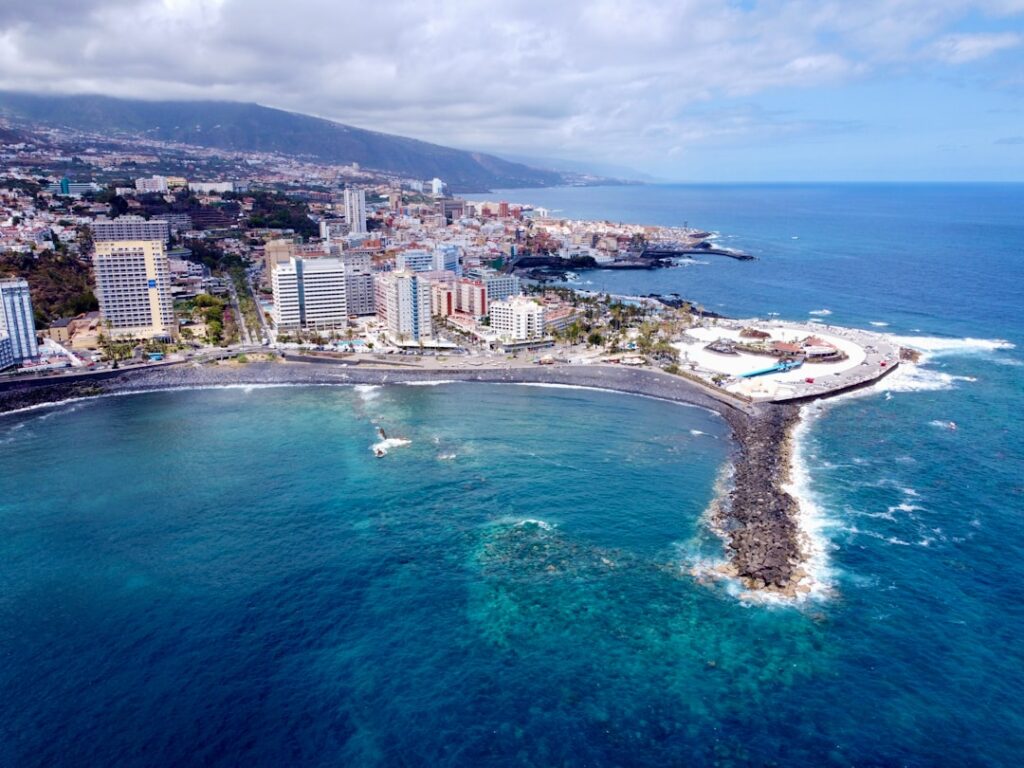






Introduction — Why respecting Tenerife’s beaches matters
Tenerife draws millions of visitors every year with its varied beaches, clear waters and mild climate. Whether you’re sunbathing at Playa de las Teresitas, surfing at El Médano, snorkeling at Playa de Abama or soaking up the buzz at Playa de las Américas, it’s essential to know and follow local etiquette and the rules in place. This guide gives you a complete overview: official regulations, recommended behaviour, likely costs and schedules to watch out for, plus practical tips to minimize your environmental impact and avoid fines.
Tenerife is part of the Canary Islands, an autonomous community of Spain, and the coastline falls under local (Cabildo Insular de Tenerife), municipal and national regulations. Beaches can be classified as urban, wild, protected or part of marine reserves — each comes with its own set of rules. For example, leaving rubbish, driving motor vehicles on the sand, camping without permission or even lighting a campfire can lead to fines ranging from a few dozen to several hundred euros. Also, on some busy beaches paid services like sunbeds, showers and parking are run by local companies and tightly regulated.
Respecting the beaches also means behaving like a responsible traveler: take your rubbish with you, stay away from bird nesting areas, obey signs and protective cordons, avoid sunscreens that pollute the water (non-biodegradable oils) and don’t disturb marine life (turtles, fish, seagrass meadows). This guide lists exact locations of the island’s most emblematic beaches, lifeguard station hours, indicative prices for services and common penalties. You’ll also find local recommendations to enjoy the coast safely while helping preserve these unique places.
Finally, you’ll get practical tips for your stay: how to reach each beach (addresses and points of interest), where to park, what facilities to look for (public toilets, showers, recycling points) and what to do in an emergency (emergency numbers). The goal is simple: to help you have an immersive, responsible beach experience in Tenerife while respecting the rules, nature and other users.
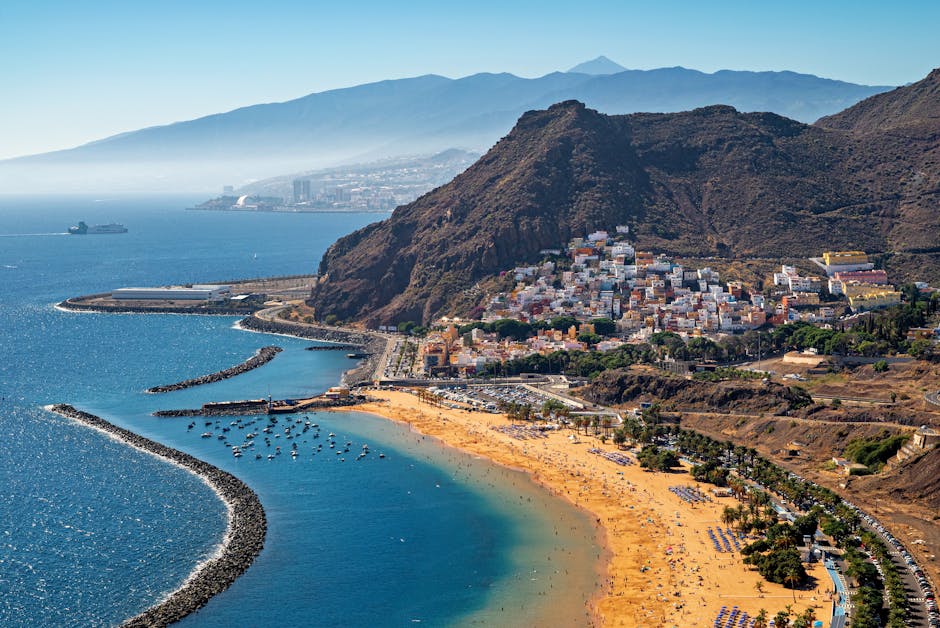
General rules and restrictions to know (behaviour, fires, waste) — Basic etiquette
Across Tenerife, several general rules apply to most beaches. The Cabildo Insular de Tenerife, together with local town halls (Ayuntamiento) — for example Ayuntamiento de Santa Cruz de Tenerife, Plaza de España, 1, 38003 Santa Cruz de Tenerife — often posts signs outlining prohibitions. Here are the most common rules with practical details, hours and possible fees.
- No leaving rubbish: you must take your rubbish with you or put it in the provided bins. Leaving trash on the beach can lead to a municipal fine that generally ranges between €90 and €300, depending on severity and the municipality. Recycling is strongly encouraged: many beaches have separate containers for paper/cardboard, plastic, glass.
- Fires and barbecues: lighting a fire or barbecue on the beach without permission is prohibited, except in specifically designated areas. During fire-risk periods (summer) bans are strict and fines can exceed €300. Use picnic zones marked by the municipality whenever possible.
- Camping and overnight stays on the beach: wild camping is banned on nearly all coastline areas. Pitching a tent or sleeping on the beach without a permit can result in a fine of around €150 and eviction.
- Pets: rules vary — some urban beaches allow dogs on a leash off-season, while others ban them entirely; Playa de las Teresitas, for example, has municipality-dependent restrictions. Check with the local tourist office (Oficina de Turismo de Santa Cruz de Tenerife, Plaza de España, 6, 38003, opening hours roughly 09:00–18:00). Offenders may face fines of €60–€300.
- Drones: flying a drone over a beach can be restricted — especially near lifeguard stations, aerodromes or marine reserves. Violations can cost over €600 under Spanish UAS (drone) rules.
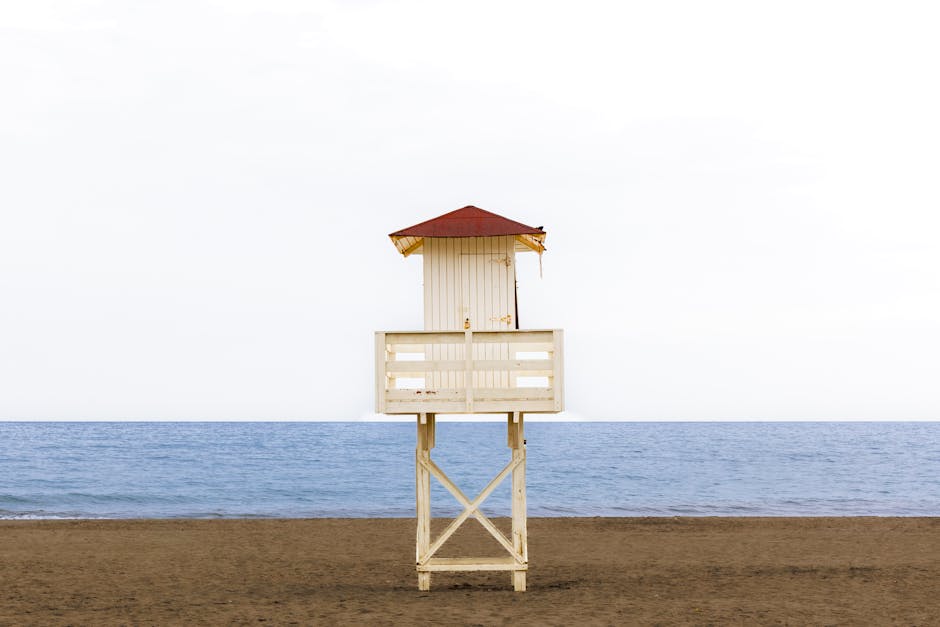
Lifeguard services on beaches (socorristas) usually operate set hours, particularly in summer: for instance, at Playa de las Américas, Av. Rafael Puig Lluvina, 38650 Arona, the lifeguard post typically runs from 10:00 to 18:00 (hours vary, generally May–October). Swimming outside these hours is at your own risk. Some more private or urbanized beaches offer sunbed and parasol rentals: indicative prices are €3–€8 per sunbed and €2–€5 per parasol per day — always follow posted rules and pay authorised operators to avoid disputes.
Iconic beaches: addresses, hours and specific tips
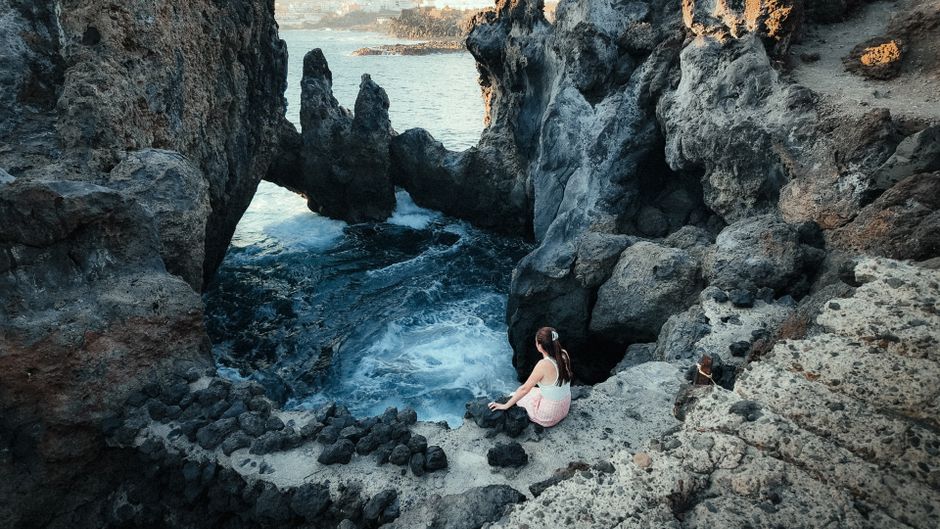
Tenerife’s beaches vary wildly: golden sand, pebble beaches, volcanic shores and wild coves. Below are practical fact sheets for a few must-see beaches, with exact addresses, services, hours and local tips.
-
Playa de las Teresitas
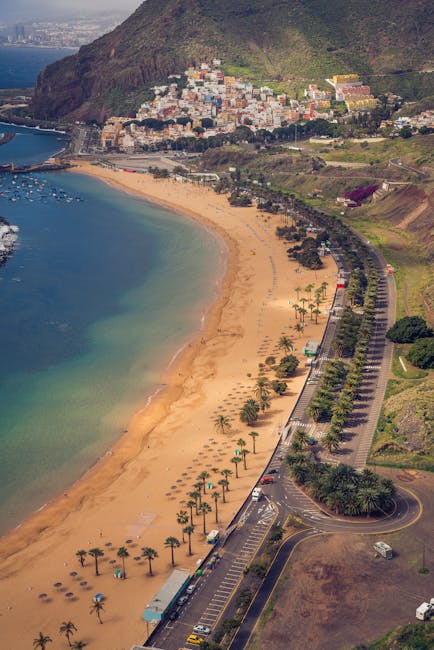
Address: San Andrés, 38120 Santa Cruz de Tenerife (just northeast of Santa Cruz). Description: a long beach of sand imported from the Sahara, lined with tamarind trees and a pedestrian promenade. Lifeguard hours: usually 10:00–18:00 in peak season. Services: showers, toilets, sunbed and parasol rentals (approx. €5–€12 per sunbed depending on the operator), paid parking nearby (€2–€6 per day). Tips: avoid parking in unmarked areas; respect swim zones indicated by flags. When it’s windy big swells can make swimming dangerous — follow the flag system (red = no swimming, yellow = caution). -
Playa de las Américas
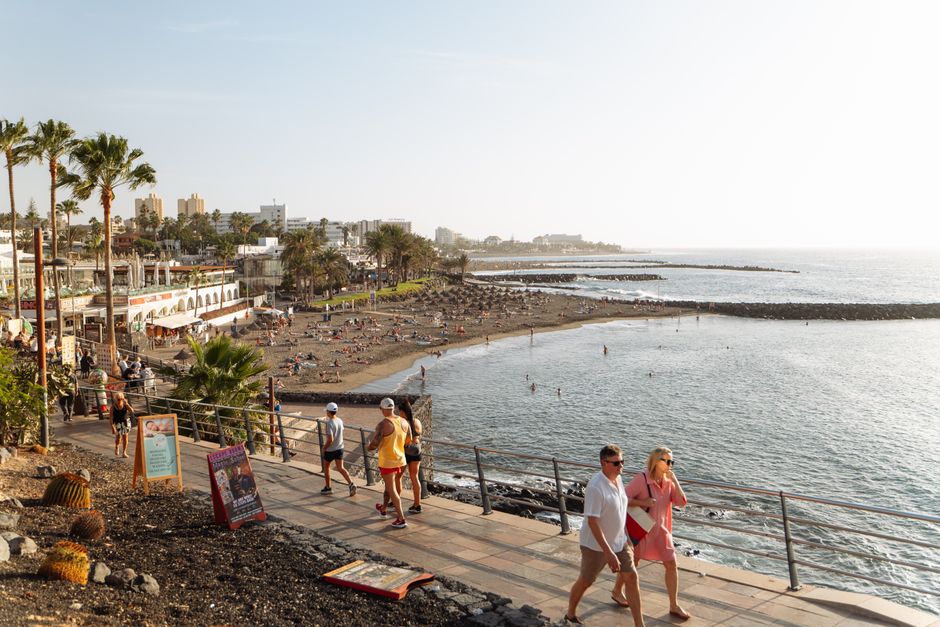
Address: Avenida Rafael Puig Lluvina, 38650 Arona. Description: an urban beach with lively nightlife, watersports and heavy tourist traffic. Lifeguard post: usually 10:00–18:00. Service prices: sunbeds €4–€8; jet-ski and motorized activities vary (€30–€100 depending on duration). Tips: respect nautical lanes and signage to avoid collisions; marked swimming areas are strictly for bathers. -
El Médano (Playa El Médano)
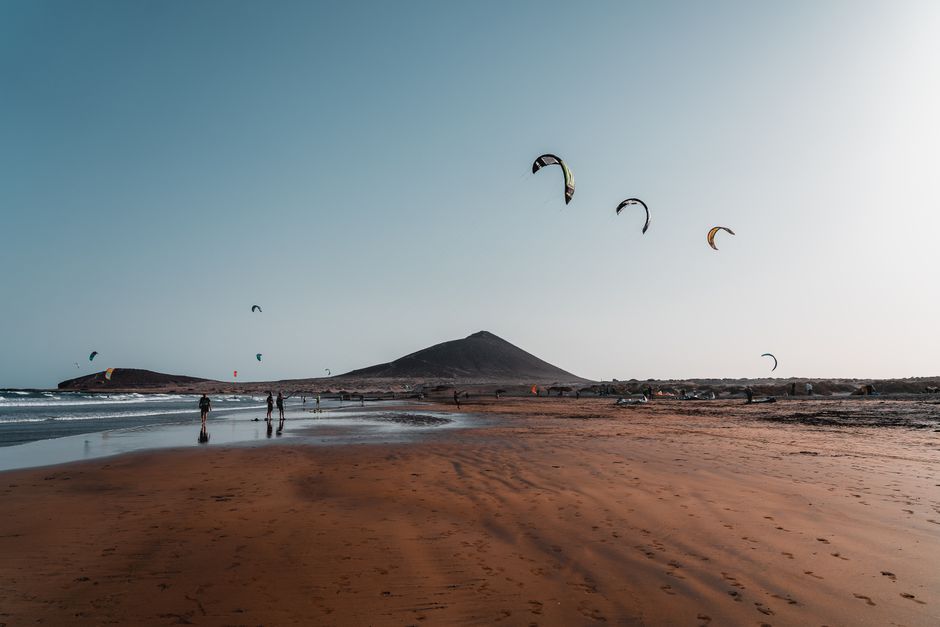
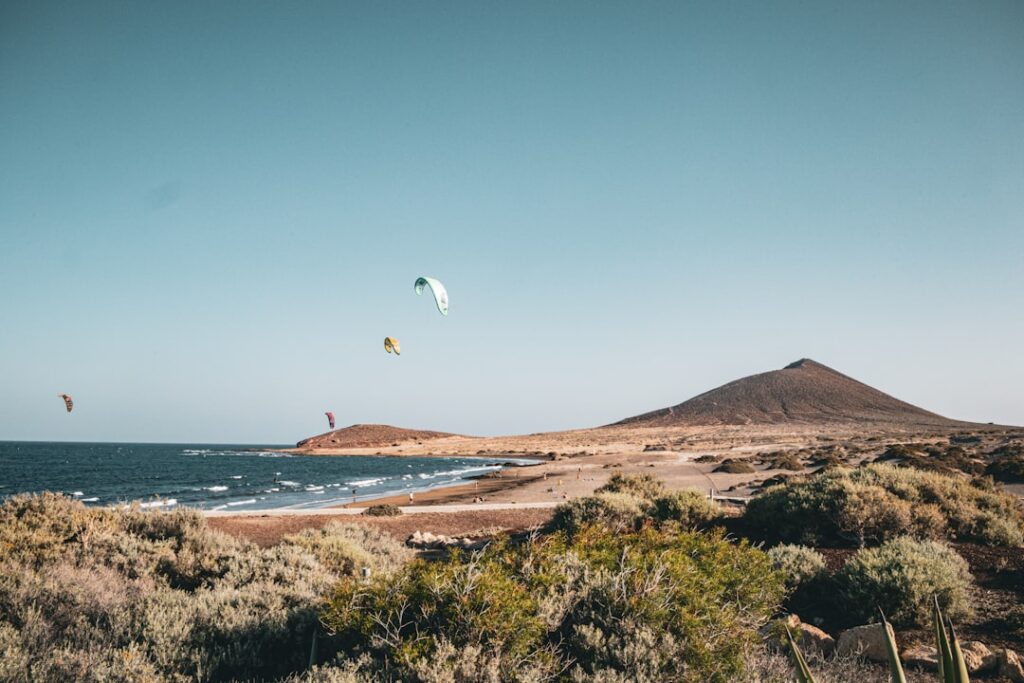
Address: Calle Juan Marrero Cabrera, 38612 Granadilla de Abona. Description: a renowned spot for windsurfing and kitesurfing — strong winds and waves. Lifeguard presence is seasonal, typically 10:00–18:00. Tips: stay clear of kite launch and landing areas; use a leash and appropriate gear; local schools (beginner lessons around €35–€60 per hour) provide safety briefings. Due to the wind, don’t leave personal items unattended. -
Playa Jardín (Puerto de la Cruz)
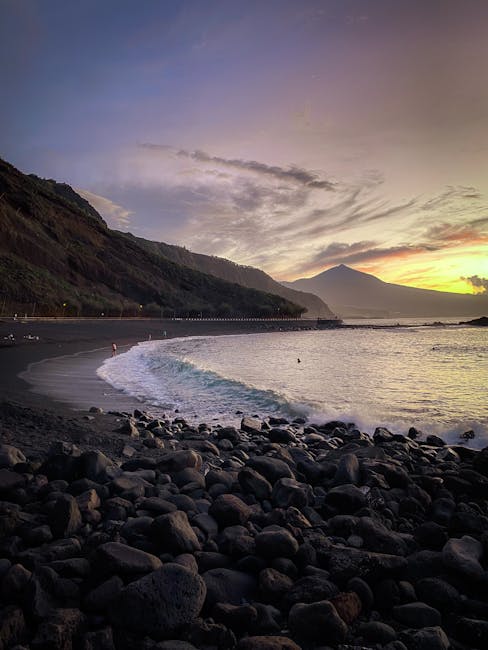
Address: Calle de las Gardenias, 38400 Puerto de la Cruz. Description: designed by artist César Manrique, a blend of black volcanic sand, gardens and natural pools. Hours: public areas open 08:00–20:00, lifeguard hours vary by season. Services: public parking, restaurants along the seafront. Tips: respect the landscaped areas; don’t pick plants from the gardens. -
Playa de Abama
Address: Ctra. TF-47, 38670 Guía de Isora (access via the Ritz-Carlton Abama resort, semi-private beach). Description: a sheltered golden-sand cove with controlled access and parking. Price: some access routes go through hotel facilities — check whether public entry is allowed. Tips: respect private access signs and don’t enter areas reserved for hotel guests.
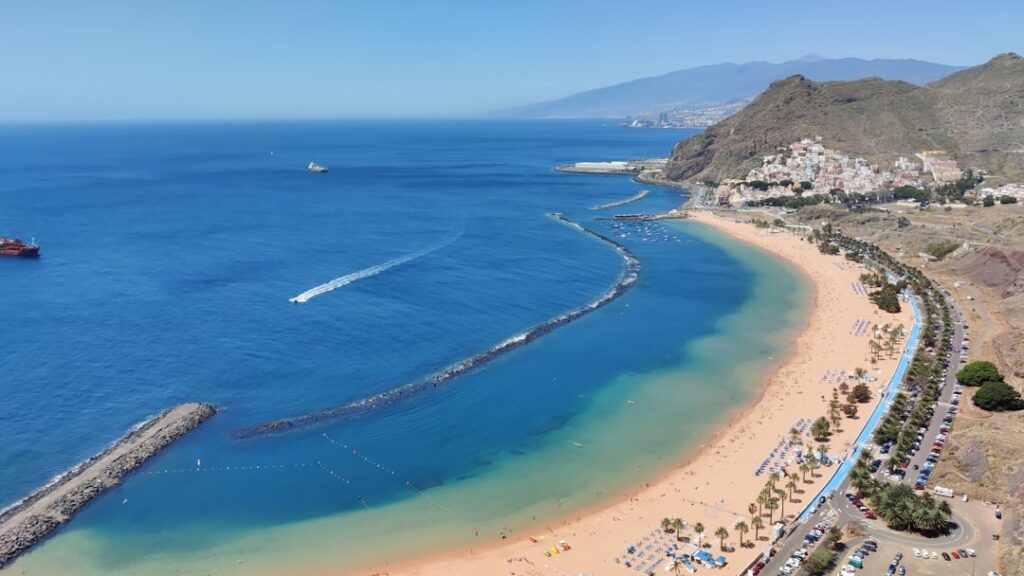
Protected areas, marine reserves and wildlife rules (seagrass, turtles)
Tenerife is home to fragile marine habitats, notably seagrass meadows (Posidonia oceanica) and areas frequented by sea turtles. Some coastal stretches are legally protected (natural parks, marine reserves). Respecting these areas is vital for conservation and carries concrete behaviours and strict restrictions.
Protected areas include the Parque Rural de Teno and certain marine zones off the island’s southwest coast. Posidonia meadows, often invisible from the surface, filter water and act as nurseries: anchoring a boat in these areas is forbidden. Fines for illegal anchoring can exceed €500. If you go boating or paddleboarding, check with local harbormasters — for example, Puerto de Los Cristianos, Muelle Levante, 38650 Arona (Capitanía Marítima), office hours typically 09:00–14:00 on weekdays.
Collecting shells, corals or recreational fishing without a permit is regulated. Recreational fishing requires local licenses; without one you risk a variable fine (often > €100). Sea turtles (Chelonia mydas) are protected: don’t get too close (recommended distance > 5–10 m), don’t use flash photography and don’t disturb the animals. If you spot an injured turtle, contact emergency services: EMERGENCIAS 112, or local marine protection groups such as Sociedad de Ciencias Naturales — their contact details vary by season, so check with the Cabildo.
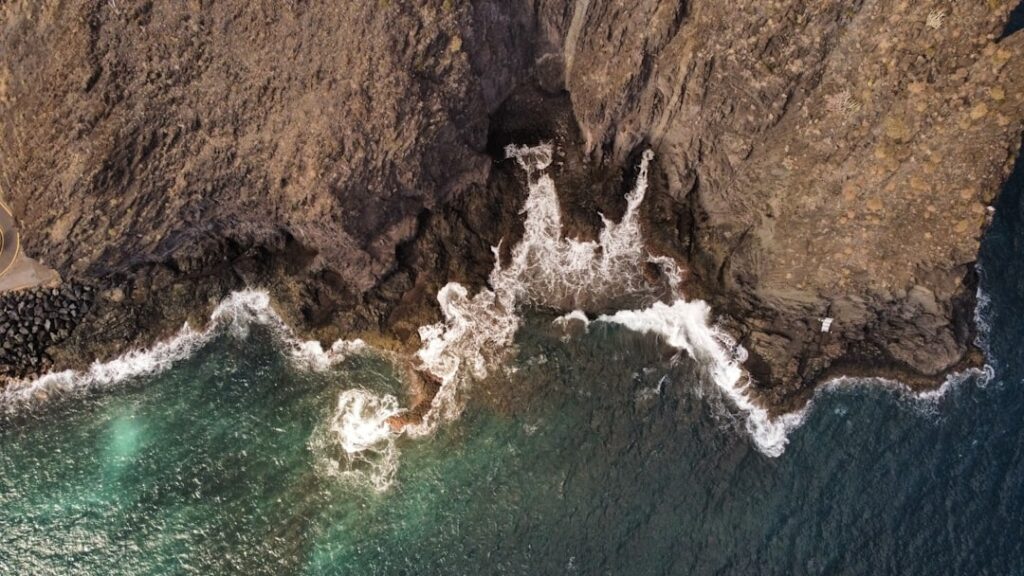
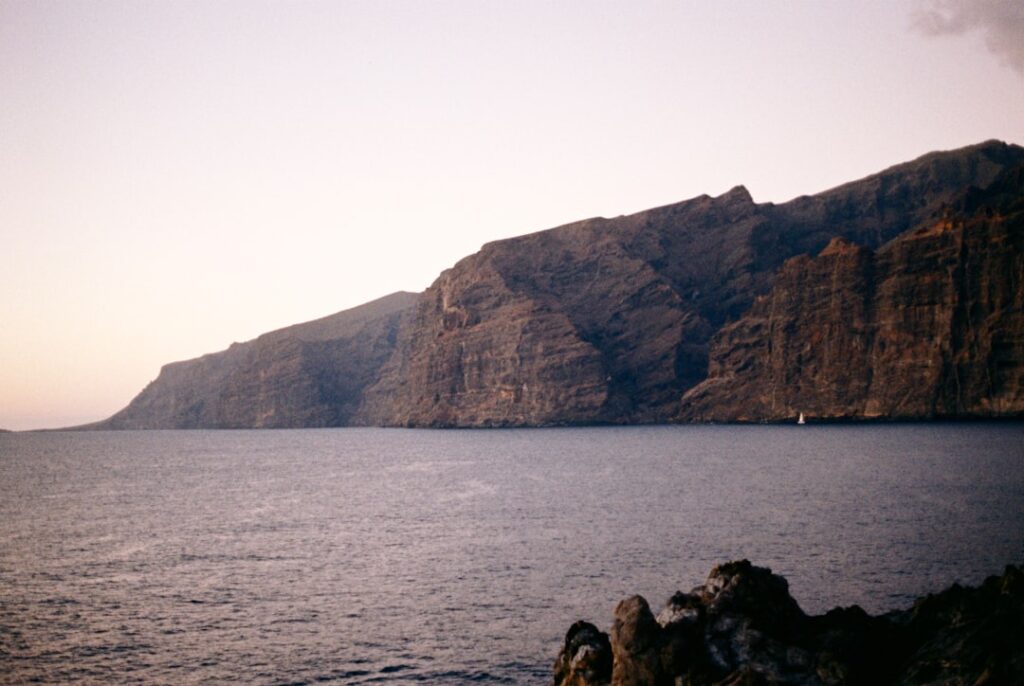
Signs also often mark areas where spearfishing is forbidden (reserves): for example, around Los Gigantes there are regulated sectors. When diving or snorkeling, avoid walking on Posidonia meadows (they’re fragile) and don’t use harsh chemical products (non-biodegradable sprays). Local dive centres, such as those in Puerto de la Cruz or Los Cristianos, usually ask clients to sign a code of conduct; beginner courses typically start around €40–€70 per session.
Everyday practicalities: parking, accessibility, services and fines
Planning a beach day means factoring in parking, accessibility, facilities and opening hours to avoid nasty surprises. Here are concrete details and indicative prices to help you organise your seaside outings.
- Parking: some urban beaches have limited free parking or paid lots. Example: the parking near Playa de las Teresitas (Avenida de las Teresitas) offers free spaces and paid areas. Private car parks around Playa de las Américas often charge €2–€6 for the day. In city centres (Santa Cruz) parking meters cost around €0.75–€1.50 per hour depending on zone.
- Accessibility: several beaches have access for people with reduced mobility. For instance, Playa de las Teresitas has ramps and sometimes an amphibious beach wheelchair available through municipal services (booking recommended via the Ayuntamiento). Contact them 24–48 hours in advance to ensure availability.
- Toilets and showers: most main beaches have free outdoor showers; public toilets can be paid in some areas (e.g., a few tourist beaches may charge €0.50–€1 to cover maintenance).
- Emergencies and useful numbers: in case of an emergency at sea or on the beach dial 112. To report illegal dumping or environmental offences, contact the Cabildo de Tenerife at +34 922 239 000 (office hours) or check the official website. For tourist information, local offices (Oficina de Turismo) provide maps and notices.
Fines vary widely by municipality and the nature of the offence: from simple littering (around €90) to more serious actions such as causing a fire or endangering people (hundreds or even thousands of euros). Before planning a specific activity (a beach event, a photoshoot, or a motorised sport), check whether a municipal permit is required. For commercial activities (adventure tourism, equipment rental), operators must hold licences — ask to see documentation when you hire gear to ensure safety and compliance.
Local tips and best practices for a responsible visit
A few simple habits can greatly reduce your footprint and improve everyone’s experience. These recommendations come from conversations with residents, lifeguards and local conservation groups.
- Bring rubbish bags and pick up micro-waste: many visitors underestimate the volume of micro-trash (small plastic fragments, wrappers). Bring a reusable bag and deposit your waste in the recycling bins.
- Choose biodegradable sunscreen products: sunscreens with certain chemical filters can harm marine habitats. Opt for products labeled “reef-safe” and biodegradable.
- Respect lifeguard hours: don’t swim outside surveillance hours, especially at dusk. If you plan a water activity, book it early in the morning for calmer conditions and lifeguard presence.
- Avoid drone use in sensitive zones: get permission if needed and follow aviation rules so you don’t disturb wildlife or swimmers.
- Follow the “leave no trace” rule: don’t move rocks or vegetation, and don’t remove items from the beach (shells, volcanic stones) — not only out of respect, but often because it’s illegal.
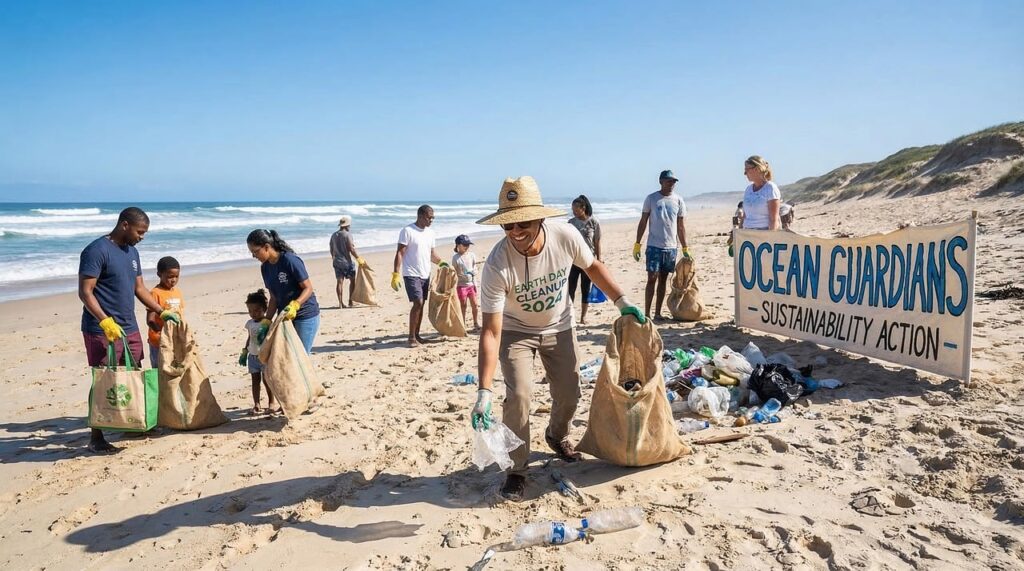
If you can, get involved locally: joining a beach clean-up organised by an association (often advertised at tourist offices or on local social media) is a great way to give back — it’s free and a chance to meet residents and experts who will share tips for enjoying the beaches while protecting nature.
Conclusion — Travel responsibly on Tenerife’s beaches
Respecting Tenerife’s beaches isn’t just about obeying the law: it’s an approach that improves the travel experience for you and for future generations. The island’s shores are shared spaces for residents, tourists, wildlife and plant life. Knowing and following the rules — bans on camping, waste management, restrictions on fires and barbecues, respecting protected zones and lifeguard posts — will save you fines and help preserve these unique landscapes. That way you’ll have a safe and pleasant setting for swimming, playing or doing watersports.
This guide has given you practical information: exact addresses (Playa de las Teresitas, Playa de las Américas, El Médano, Playa Jardín, Playa de Abama), common lifeguard hours, approximate costs (sunbeds €3–€12, parking €2–€6, variable fines) and ethical recommendations (biodegradable sunscreen, recycling, respect for Posidonia meadows). Before each outing, check local signs and consult tourist offices or the Capitanía Marítima if you plan nautical activities. In an emergency, dial 112.
Adopting the mindset “leave a place better than you found it” is simple: take your rubbish, follow the signs, avoid entering protected areas and chat with local operators. These small actions add up and have a big collective impact. That way you can sustainably enjoy the golden sand at Playa de las Teresitas, the waves at El Médano, the lively vibe of Playa de las Américas and the wild coves around Los Gigantes.
Enjoy your stay in Tenerife, and remember: admire, respect and protect — those are the keys to responsible, memorable travel.