





Introduction: Arriving in Tenerife as a Non‑EU Traveler — Key Overview
Tenerife, the largest island in the Canary Islands archipelago (an autonomous region of Spain), draws millions of visitors each year for its golden beaches, volcanic landscapes and mild climate. For non‑EU travelers, arriving in Tenerife raises practical administrative questions: which visa do you need depending on the length and purpose of your stay? What documents should you prepare before departure and upon arrival? Where do you complete local formalities on the island? This guide aims to give you a clear, practical and up‑to‑date roadmap for entering Tenerife without surprises.
First things first: Tenerife is part of Spain and therefore within the Schengen area (even though the Canary Islands have some different customs and tax arrangements). Entry rules are governed by Spanish immigration law and Schengen rules. For short tourist stays (up to 90 days in any 180‑day period), most non‑EU nationals will need a Schengen short‑stay visa (type C) unless their nationality is visa‑exempt. For longer stays — work, study or relocation — you’ll usually need a national visa (type D) issued by the relevant Spanish consulate in your country.
This guide walks you through every step: preparing documents before you travel (passport, visa, insurance, proof of funds, accommodation bookings) and the arrival formalities at the airport (border checks, stamps, steps to obtain the NIE or the Tarjeta de Identidad de Extranjero — TIE). You’ll also find practical info on the island’s main entry points — airports and ports — with addresses, opening times and useful local tips (transport, official offices, typical fees in euros).
Finally, you’ll find pragmatic advice to reduce the risk of refusal at the border (clear presentation of documents, bookings, insurance) and time‑saving local tips (where to buy a SIM card, reliable exchange offices, biometric booths for TIE, Policía Nacional and Oficina de Extranjería locations). Immigration rules can change; always check official sources (Spanish consulate, Spanish Ministry of the Interior, EU website) before you travel.

1) Which Visa Do You Need to Enter Tenerife? Schengen (Short Stay) vs National Visa (Long Stay)
The type of visa you need depends mainly on your nationality, trip duration and purpose. Here’s the basic distinction:
- Schengen visa (short stay, type C): valid for tourism, family visits or short business trips up to 90 days within any 180‑day period. It allows free movement within the Schengen area, including Spain (and therefore Tenerife).
- Spanish national visa (long stay, type D): required for stays longer than 90 days, such as for study, work, family reunification, non‑lucrative residency or internships. This visa allows you to apply for a residence permit once you’re in Spain.
Indicative fees (subject to change by authorities):
- Schengen visa (adults): €80.00
- Schengen visa (children 6–12): €40.00
- Children under 6: free
- National visa type D: often around €80.00 but can vary by category (study, work, family reunification); some exemptions apply in certain cases.
Common documents required for a Schengen visa:
- Passport valid for at least 3 months after your planned exit from the Schengen area and issued within the last 10 years.
- Completed and signed application form (available on the consulate’s website).
- Two recent passport photos meeting specifications (35 x 45 mm).
- Travel insurance covering at least €30,000 for medical expenses and repatriation, valid throughout the Schengen area.
- Proof of accommodation (hotel bookings, host invitation, rental agreement, etc.).
- Round‑trip ticket or flight reservation (or proof of sufficient means to buy a ticket).
- Proof of financial means: recent bank statements, employer letter, credit cards. Requirements vary: some consulates ask for the equivalent of around €100 per day or a lump sum — check with your consulate.
For a national visa type D, the paperwork is heavier: employment contract, university acceptance letter, proof of sufficient funds, medical certificates, criminal record check, etc. The Spanish consulate in your country will provide the exact list for your visa category.

2) Arrival Formalities at the Airport and Main Entry Points in Tenerife
Tenerife has two main international airports and several busy ferry ports connecting to other islands and the mainland. Arrival procedures differ slightly depending on whether you come by air or sea.
Main airports:
- Aeropuerto de Tenerife Sur – Reina Sofía (TFS)
Address: Av. de Tenerife, s/n, 38610 Granadilla de Abona, Santa Cruz de Tenerife.
Hours: the airport is operational 24/7; immigration/customs counters operate according to international flight schedules. Transport: taxis, TITSA intercity buses (regular lines), car rental desks on site. Many charter flights and direct routes from Europe arrive here. - Aeropuerto de Tenerife Norte – Los Rodeos (TFN)
Address: Carretera Aeropuerto, s/n, 38290 San Cristóbal de La Laguna, Santa Cruz de Tenerife.
Hours: airport open 24/7; ideal for domestic flights and some international connections.
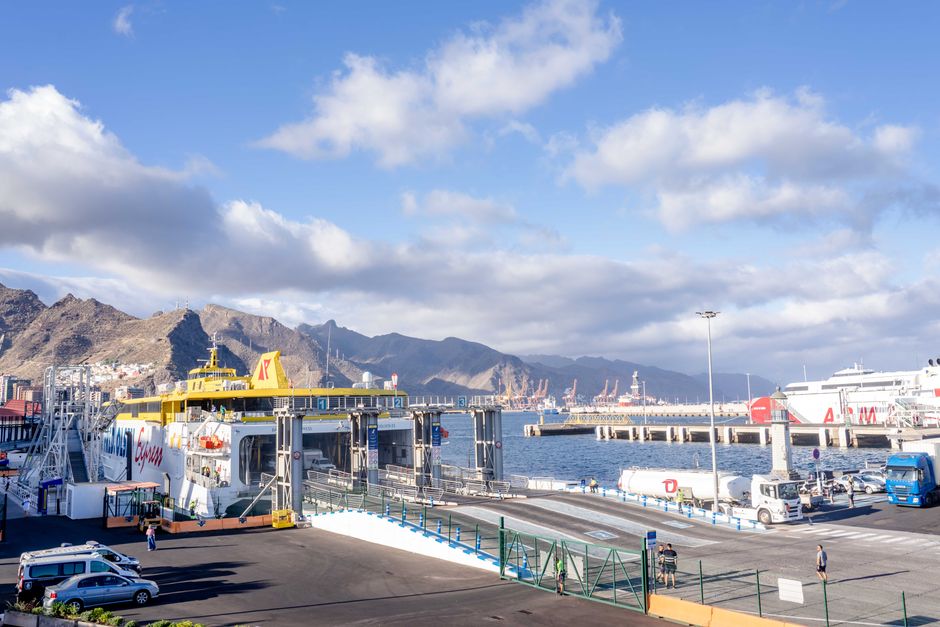
Main ports (if you arrive by ferry):
- Puerto de Los Cristianos
Address: Avenida Juan Carlos I, 38650 Arona, Santa Cruz de Tenerife.
Hours: ticket offices and boarding times vary by crossing; in high season there are frequent shuttles to Playa de las Americas. - Puerto de Santa Cruz de Tenerife
Address: Muelle de la Cruz, 38003 Santa Cruz de Tenerife.
Hours: public access depends on ferry schedules. Santa Cruz serves routes to La Gomera and the Spanish mainland.
Checks on arrival:
- Passport and visa (if required) are checked by border police. Keep passport, visa, proof of insurance and bookings handy.
- If you enter with a valid Schengen visa, you’ll receive an entry stamp specifying your maximum allowed stay (90/180 days). Check the stamped date immediately — if there’s a mistake, point it out to the officer.
- Officers may ask about the purpose of your trip, accommodation and financial means — be precise and have original documents or printed copies ready.
Practical tips:
- Copies and scans: keep paper and digital copies (cloud, email) of your passport, visa, tickets and bookings.
- Insurance: have your policy details clearly visible (policy number, insurer name) in case an officer asks quickly.
- Language: most officers speak Spanish; many speak English. A clear summary in English can help speed things up.
3) Applying for a NIE, the TIE and Other Formalities for Long Stays
If you plan to stay more than 90 days — to work, study or live — you’ll need to carry out extra steps after arriving in Tenerife. Two key items to know:
- NIE (Número de Identificación de Extranjero): the foreigner identification number required for most administrative procedures in Spain (opening a bank account, signing a lease, registering a vehicle, etc.). The NIE is often issued on a temporary paper if applied for abroad; it can be obtained through consular procedures or directly in Spain.
- TIE (Tarjeta de Identidad de Extranjero): the plastic ID card for long‑term residents. After arriving with a national visa type D, you must book an appointment for biometric registration (fingerprints) and issuance of the card.
Where to complete these procedures in Tenerife:
- Oficina de Extranjería / Delegación del Gobierno — there are regional offices; appointments are usually booked via the official « sede electrónica » portal of the Ministerio de Política Territorial or through the Policía Nacional « cita previa » system. Addresses and procedures can change: it’s essential to book an appointment (cita previa) online before you go.
- Comisaría de Policía Nacional responsible for issuing TIEs: you’ll normally need to attend the police station for biometric data collection and later collection of the card.
Approximate fees:
- TIE issuance: administrative fee usually around €21.36 (payment of form 790, code 012); this amount may vary slightly by year and category.
- Other forms and copies: allow €10–30 for certified translations, photocopies, passport photos and any administrative handling fees.
Documents commonly requested for the TIE:
- Original passport and copies of the visa sticker issued by the consulate.
- Completed application form (EX‑17/EX‑18 depending on the case) and supporting documents (employment contract, university enrollment, public/private health insurance, proof of accommodation).
- Proof of payment for form 790 (bank receipt or online payment confirmation).
- Two recent passport photos meeting specifications and a copy of the receipt for the initial application.
Timing and tips:
- Processing times for the TIE can range from a few weeks to several months depending on the season; always keep the receipt proving you applied (recibo de solicitud) as it confirms your legal status in Spain while you wait.
- Submit complete dossiers: any missing document can lead to refusal and require a new appointment.
- If you need a bank account quickly, bring your passport, the TIE application receipt (resguardo) and proof of address; some banks will open an account with these provisional documents.

4) Detailed Administrative Documents and Proofs to Prepare — Complete Checklist
To maximise your chances at entry and avoid complications on the island, prepare these key documents before you travel. Here’s a detailed checklist, organised by type of stay.
General documents (always have these):
- Original passport: valid for at least 3 months after your planned departure from the Schengen area and with at least two blank pages.
- Visa (if required) issued by the Spanish consulate in your country.
- Return ticket or proof of exit from the Schengen area; if you have a flexible ticket, keep a printed confirmation.
- Travel insurance certificate (policy, number, coverage period, insured amount ≥ €30,000).
- Printed hotel bookings or proof of accommodation (private invitation if staying with a resident; an official host invitation « carta de invitación » issued by the police in Spain if required).
- Proof of financial means: bank statements for the last 3 months, pay slips, letter of sponsorship if someone else covers your costs.
- Passport photos meeting specifications (35 x 45 mm): 2 copies.
Additional documents depending on purpose:
- Study: university/school acceptance letter, proof of tuition payment, accommodation certificate.
- Work: signed employment contract, work authorization (if issued beforehand), copy of employer registration with the public employment service.
- Family reunification: family records, proof of relationship (marriage, birth certificates), residence and finances of the family member in Spain.
- Retirees / non‑working residents: proof of regular income (pensions, investments), private health insurance covering Spain.
Other recommendations:
- Certified translations: some documents (criminal record, diplomas) must be translated into Spanish and apostilled according to consular requirements.
- Health: vaccination record if applicable; proof of health coverage in Spain for long stays.
- Digital and paper copies: scan all documents and store them online (email, cloud) so you can access them if originals are lost.

5) Local Tips, Useful Services in Tenerife and On‑Site Costs
Once you’ve arrived in Tenerife, a few services and addresses can make your procedures and settling in much easier. Here’s a practical selection of places and tips.
Useful addresses and services:
- Oficina de Atención al Ciudadano / Tourist Office – Santa Cruz de Tenerife
Example: Oficina de Información y Atención al Ciudadano, Plaza de España, 38003 Santa Cruz de Tenerife. Typical hours: 09:00–14:00. Useful for general information and local administrative guidance. - Banks (to open an account): La Caja General de Ahorros or Banco Santander operate on the island. Prepare passport, proof of address (rental contract or utility bill), NIE or TIE application receipt.
- Mobile operators: Movistar, Vodafone, Orange — shops are in city centres and at airports. Prepaid SIM cards cost around €10–30 depending on the package and data allowance.
- Photo booths and copy centres: available near airports and in urban centres (shopping centres like Centro Comercial Meridiano in Santa Cruz).
Approximate local costs (indicative):
- Airport taxi TFS → Playa de las Americas: around €30–45 depending on traffic and destination.
- TITSA intercity bus: fares between the airport and Santa Cruz or the south of the island range from €2.70 to €15.50 depending on route and distance.
- Meal at a mid‑range restaurant: €12–25 per person.
- Ferry ticket Tenerife → La Gomera (Naviera Armas / Fred Olsen): €20–40 depending on season and route.
Local tips:
- Always print your appointment receipt for the Oficina de Extranjería or the Policía Nacional; some offices won’t accept appointment confirmations shown only on a phone.
- Avoid peak hours for administrative appointments (midday and late afternoon). Arrive 15–20 minutes early.
- If possible, have your important documents translated and apostilled before arriving in Spain: this speeds up procedures for national visas and degree recognition.
Conclusion: Prepare Well to Enter Tenerife — Summary and Final Recommendations
Entering Tenerife as a non‑EU national requires methodical preparation: check whether you need a Schengen visa (short stay) or a national visa (long stay) based on the length and purpose of your trip, gather the required documents (passport, insurance, proof of accommodation and funds) and book appointments with the appropriate Spanish consulate if needed. On arrival, present your documents clearly and accessibly to border officers; if there’s any doubt, calmly explain the purpose of your trip and show printed supporting documents. For stays over 90 days, anticipate applying for the NIE and the TIE: book appointments through official portals and keep all proof of your procedures (receipts, copies of form 790 payments).
Practically speaking, keep digital and paper copies of all your documents, buy a local SIM card or a connectivity solution to handle online procedures, and use official services (Oficina de Extranjería, Policía Nacional, consulates) rather than uncertified intermediaries. Administrative fees — Schengen visa (~€80), TIE fee (~€21.36) and additional costs (translations, photos, processing) — are a necessary investment for a smooth stay. Finally, rules may change: consult the Spanish Ministry of Foreign Affairs and the Spanish consulate in your country before finalising your plans.
Safe travels and welcome to Tenerife: an island of striking contrasts where proper paperwork will let you enjoy the beaches, the trails of Teide National Park, historic villages and the warm Canarian welcome in peace.