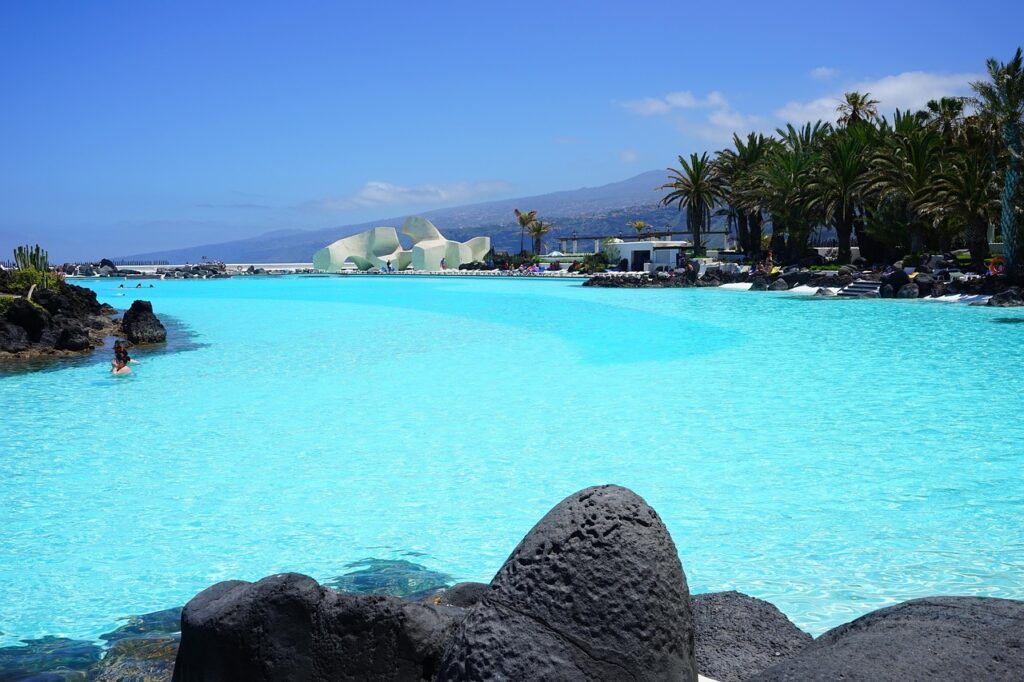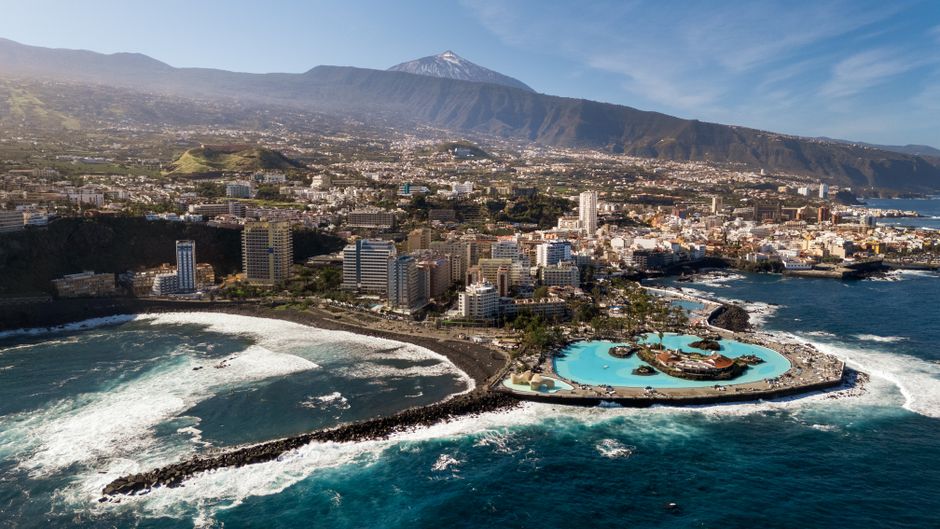






Introduction — Schengen visa and staying in Tenerife: what to know before you go
Tenerife, the largest of the Canary Islands, draws millions of visitors every year with its mild climate, diverse beaches and the Teide National Park. If you’re planning a trip to Tenerife from a non-EU country, the question of a Schengen visa (or a Spanish national visa) quickly comes up. Knowing the rules on permitted stays, the application steps, where to go to complete formalities, and the likely costs is essential to avoid unpleasant surprises on arrival. This guide aims to give you a practical, comprehensive overview of the types of visas, allowed durations, required documents, the steps from initial application to entry into Spain, and local procedures once you’re settled.
The short-stay Schengen visa (Type C) is the main permit used by tourists and temporary visitors: it allows you to stay up to 90 days within any 180-day period in the Schengen area. For longer stays, Spanish national visas (Type D) exist for students, workers, family reunification or non-lucrative residence. European rules are centralized, but each application is processed via the Spanish consulate or the visa application center in your country of residence — for Tenerife you will usually apply through the Spanish consulate in your country. Below we also detail local procedures in Tenerife: where to go for permits or registrations, useful addresses, approximate prices in euros, opening hours and practical tips so your stay starts smoothly.
This guide gives concrete information: airport addresses, recommendations for transport from arrival, average taxi and bus costs, administrative addresses in Tenerife, and local tips (best timing for on-site applications, documents to photocopy, proof of funds). You’ll also find visual references to better locate the places mentioned and streamline your arrival. Whether you’re coming for a 10-day holiday or planning to stay several months, our aim is to provide a clear, actionable plan for visas and formalities in Tenerife.

1) General rules: Schengen visa duration, limits and how the 90/180 rule is calculated
The short-stay Schengen visa (Type C) allows a maximum stay of 90 days within any 180-day period. This is the « 90/180 » rule every traveler must know. Concretely: if you stay 30 days in January, 30 days in April and 30 days in August, you will have used up 90 days. The calculation is rolling: for every day you spend in the Schengen area, you look back 180 days and count how many days have already been used.
Practical example: you enter Tenerife on March 1 and stay 60 days until April 30. If you plan another trip in July, carefully check the total days spent in the previous 180 days. Online calculators on the Spanish Ministry of the Interior website or the Council of the European Union site can help, but always keep proof of your entry and exit dates (plane tickets, airport stamps).
If you plan to stay more than 90 days, you will need to obtain a national visa (Type D) before traveling or request a residence permit once on site if the circumstances allow (for example a status change for family reunification or a study residence application). Common reasons for a national visa include employment, studies, internships, family reunification, retirement or non-lucrative residence. The procedures, required documents (employment contract, university enrollment, proof of financial means, health insurance) and processing times vary greatly depending on the purpose.

2) Before you go: where to apply for your visa and which documents to prepare
Schengen visa applications for Spain are handled by the Spanish consulate or a contracted application center (VFS Global, BLS) in your country of residence. You must book an appointment online, complete the application form (available on the consulate’s website), provide supporting documents and pay the consular fee. Standard fees at the time of writing: €80 for adults (Schengen Type C), €40 for children aged 6–12, and free for children under 6. These amounts can vary according to diplomatic agreements or fee reductions.
Documents commonly required:
- Signed visa application form.
- Passport valid for at least 3 months after your planned exit from the Schengen area, with copies of important pages.
- Recent ID photos (35 x 45 mm) that meet biometric standards.
- Round-trip flight reservations (e.g. flight to Aeropuerto de Tenerife Sur – Reina Sofía: Carretera TF-1, Km 28, 38610 Granadilla de Abona).
- Proof of accommodation for the entire stay (hotel, holiday rental, address and contract).
- Travel insurance covering at least €30,000 for urgent medical care and repatriation.
- Proof of financial means: bank statements, sponsorship letter if applicable.
Practical tips: book your appointment well in advance (peak periods — December, February, July/August — can extend processing times). Make photocopies of all documents, keep originals handy during travel and bring additional proof (employment certificates, pay slips) if you need to support your financial stability. Also check the consulate or VFS center’s opening hours and address — they may enforce strict schedules and request extra documents.
3) Arrival in Tenerife: border checks, getting around, useful addresses and local costs
On arrival in Tenerife you will go through border controls (passport checks) if you come from outside the Schengen area. The main airports are:
- Aeropuerto de Tenerife Sur – Reina Sofía — Address: Carretera TF-1, Km 28, 38610 Granadilla de Abona, Tenerife. Services: information desks, car rental, currency exchange. Opening hours: open 24/7 for arrivals and departures.
- Aeropuerto de Tenerife Norte – Los Rodeos (Aeropuerto de Tenerife Norte-Ciudad de La Laguna) — Address: Carretera TF-5, Km 4.5, 38290 San Cristóbal de La Laguna, Tenerife. Hours: mainly daytime flights, services open in line with arrivals (roughly 05:00–23:00).
Transport from the airport: the TITSA bus network serves many towns. Indicative fare: €3.00–€6.00 depending on distance (e.g. buses 111/343). Taxis are available at the exit: approximate fare from the South (Reina Sofía) to Santa Cruz de Tenerife (the capital) costs between €60 and €80 depending on time and traffic; from the North to Santa Cruz about €25–€40. Car hire (indicative price): €25–€50/day off-season, with insurance and fuel extra.
Administrative addresses in Tenerife (for local procedures):
- Comisaría de Policía – Oficina de Extranjería — Address: Plaza de España, 6, 38003 Santa Cruz de Tenerife. Opening hours: Mon–Fri 09:00–13:00 (check online before you go). Service: information on residence permits and registrations.
- Oficina de Extranjería de Tenerife (Delegación del Gobierno) — Address: Avenida de la Constitución, 4, 38003 Santa Cruz de Tenerife. Hours and appointments: mandatory booking via the Ministerio de Política Territorial website.
- Oficina de Extranjería – Área de Extranjería (Santa Cruz) — Indicative address for additional information: Calle San Isidro, 1, 38003 Santa Cruz de Tenerife. (Always verify address and opening hours on official sites).
Local tips: always keep a copy of your passport and visa while you’re in Tenerife. If you plan to extend your stay, book an appointment as soon as you arrive to start regularization procedures (if applicable). Foreigners who need to register to obtain a NIE (Número de Identificación de Extranjero) should expect waiting times: local offices often require online appointments taken several weeks in advance.
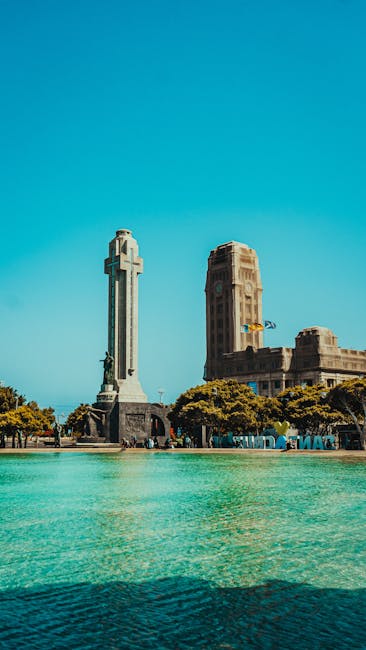
4) Long stays, switching status and steps to extend or change your permit
If you plan to stay in Tenerife for more than 90 days, you must obtain a residence permit (national visa Type D) or apply for residency in Spain depending on your situation. Common reasons include work (employment contract), studies (enrollment at the University of La Laguna), family reunification or non-lucrative residence (retirement with sufficient funds).
General procedure for a Type D visa: initial applications are usually made from your country of residence at the competent Spanish consulate. Typical documents: employment contract, university acceptance letter, proof of resources (often several thousand euros over several months), medical certificate, translated criminal record, comprehensive health insurance, photos and a signed form. Processing times vary: expect several weeks to several months.
Once in Tenerife, to obtain a residence permit or a NIE you will need to:
- Book an online appointment on the Ministry of Interior’s Sede Electrónica (https://sede.administracionespublicas.gob.es).
- Attend the Policía Nacional — Extranjería at the scheduled time with originals and copies of all documents.
- Pay the corresponding fees: administrative costs vary, for example issuance of a NIE or a Foreigner Identity Card (Tarjeta de Identidad de Extranjero – TIE) includes a flat fee of around €12–€16 for the procedure plus an additional fee for the card itself.
Practical tips: for students, the University of La Laguna (main campus: Calle Astrofísico Francisco Sánchez, s/n, 38206 San Cristóbal de La Laguna) often provides supporting letters to speed up certain procedures. For workers, a signed and registered employment contract with the employment services helps secure permission. For those seeking non-lucrative residence, prepare detailed bank statements and private health insurance that covers the full stay.
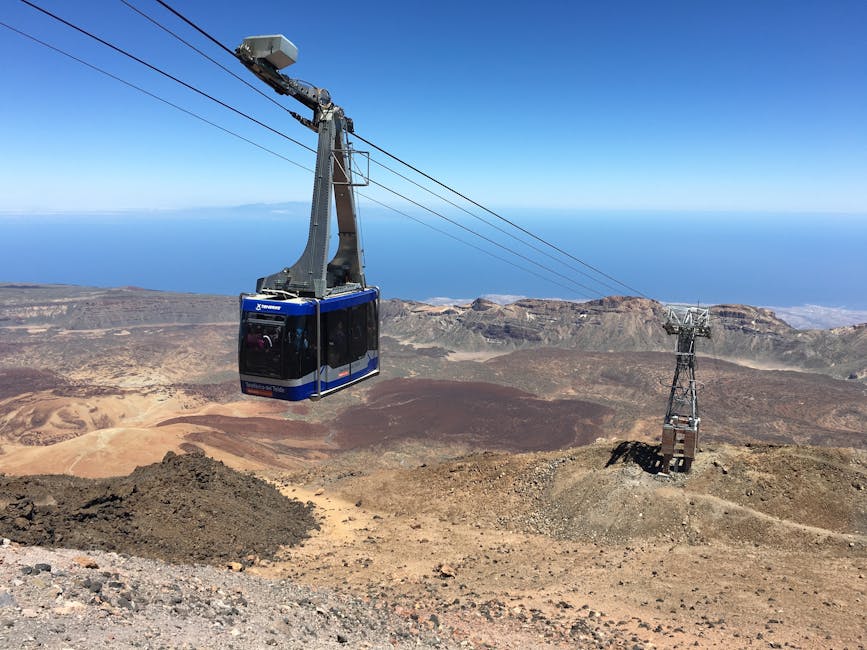
Conclusion — Make your Tenerife stay a success by following visa rules
Tenerife is an outstanding destination, but like any international trip, a successful stay depends on careful administrative preparation. For short trips, respect the 90/180 rule and keep all travel proofs. For longer stays, plan ahead: book an appointment at your country’s consulate for a national visa or organise local procedures through the Policía Nacional and the Extranjería offices in Tenerife. Costs are typically well documented — visa fees around €80 for adults, local transport reasonable (buses €3–6, taxis variable), and modest administrative fees for a NIE/TIE.
A few final tips: make digital and paper copies of all your documents, purchase robust travel insurance covering at least €30,000 for emergencies, book online appointments well in advance during high season, and use official services (consulate websites, the Ministerio de Interior and the Delegación del Gobierno en Canarias) to confirm addresses and opening hours before you travel. And don’t forget to enjoy Tenerife: from the beaches of Los Cristianos and Playa de Las Teresitas to the lunar landscapes of Parque Nacional del Teide and traditional villages like Garachico or La Orotava, the island offers far more than just a point of entry. By following visa rules and formalities, you’ll be set to fully experience Tenerife’s cultural and natural riches.