






Introduction — What Travel Documents Do You Need for Tenerife in 2026?
Heading to Tenerife, the largest of the Canary Islands, takes a bit more planning than just booking a flight and a hotel. In 2026, as in previous years, which documents you need depends mostly on your nationality, how long you’re staying, and why you’re going (tourism, study, transit, work, moving permanently, traveling with pets, etc.). This up-to-date guide walks you through exactly what to bring, what to obtain before you travel, and what steps you might need to take once you arrive. You’ll find practical addresses, opening hours, typical fees shown in euros for main administrative steps, and local tips to help you avoid common pitfalls.
Tenerife is part of Spain and within the Schengen Area. That means entry rules generally follow Schengen regulations for most travelers. Differences apply depending on whether you’re a citizen of an EU/EEA state or Switzerland, from a country that benefits from visa-free travel, or from a country that requires a Schengen visa. Beyond entry documents (passport, ID card), it’s often smart to carry proof of accommodation (hotel reservation or rental contract), a return ticket, evidence of funds, travel insurance, and—if relevant—papers for pets or an international driving permit.
This guide does more than list papers: it explains where to get them or have them validated in Tenerife, with specific addresses (airports, police stations, honorary consulates, administrative offices), useful contact details, and approximate fees. You’ll also get practical advice—how to handle a border check at Aeropuerto de Tenerife Sur — Reina Sofía (Granadilla de Abona) or Aeropuerto de Tenerife Norte — Los Rodeos (San Cristóbal de La Laguna), how to obtain a certified copy, or how to reach a consulate in an emergency.
The goal is simple: get you to Tenerife in 2026 calm and well prepared, with the right documents, no surprises at the border, and a clear idea of the steps you may need to take on the island depending on your situation. The following sections detail, for different traveler profiles, the essential documents, local procedures, addresses and opening hours, plus tips to simplify your stay. Use these insights to prepare with confidence and enjoy Tenerife’s highlights: Mount Teide, the beaches at Playa de Las Américas, the old town of La Laguna, and the warm Canary Islands atmosphere.

Entry documents and general rules for 2026 (EU/EEA/Swiss citizens and international travelers)
To enter Tenerife (Spanish territory and part of Schengen) you need to know which rule applies to your nationality.
- Citizens of the European Union (EU), the European Economic Area (EEA), and Switzerland: a valid national ID card or a valid passport is sufficient. The French national ID card is accepted. However, if you plan to travel outside the Schengen Area or have international connections, it’s recommended to carry a valid passport. No prior formalities are required for a tourist stay of less than 90 days.
- United Kingdom citizens: since Brexit, British nationals must present a valid passport. In 2026, there is generally no longer a blanket six-month minimum passport validity requirement for short tourist stays; however, it’s wise to check the latest guidance from the UK government or the Spanish embassy before you leave. If you have a GHIC (Global Health Insurance Card), bring it for temporary healthcare coverage in Spain.
- Citizens of visa-exempt countries for Schengen travel (United States, Canada, Japan, Australia, etc.): a passport valid at least through your planned date of departure from the Schengen Area is generally required; standard Schengen guidance often asks for validity three months beyond your planned exit date, but practices vary. Visa-free stay: up to 90 days in any 180-day period.
- Citizens of countries that require a Schengen visa: you must obtain a short-stay Schengen visa (Type C) before traveling. Standard visa fees for 2026 are about €80 for adults; €40 for children aged 6–12; children under 6 may be exempt. Applications are submitted to the Spanish consulate or the visa center representing Spain in your country of residence.
Documents to present at border control (handy checklist to print):
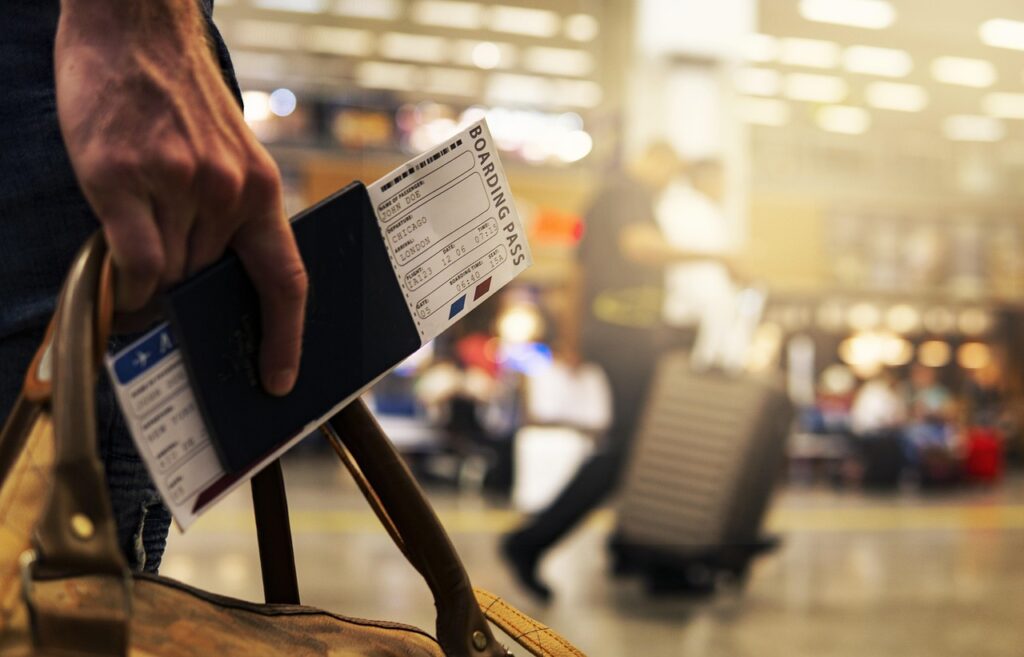
- Passport or national identity card (for EU citizens).
- Round-trip ticket or proof of onward travel (printed or e-ticket).
- Proof of accommodation: hotel reservation, short-term rental contract (Airbnb/Booking) or private address with owner contact details.
- Proof of funds: bank card, recent bank statement or cash (no strict legal minimum but commonly suggested > €50/day).
- Travel insurance covering medical expenses and repatriation (recommended; required for some visas).
- For stays over 90 days: residence permit, long-stay visa or prior authorization (apply before travel).
Practical note — airport procedures:
- Aeropuerto de Tenerife Sur — Reina Sofía, Carretera TF-1, km 1, 38610 Granadilla de Abona, Santa Cruz de Tenerife. Passport checks for international arrivals; shops and car-rental desks usually open 06:00–24:00 depending on the season.
- Aeropuerto de Tenerife Norte — Los Rodeos, Av. de Los Majuelos, s/n, 38290 San Cristóbal de La Laguna. Controls for domestic and Schengen flights; the facility is open 24 hours but counters vary by airline.
Visas, length of stay and formalities for extended stays (study, work, residence)
Staying in Tenerife for more than 90 days involves heavier formalities. These procedures are generally started before arrival with Spanish authorities or diplomatic missions. Here are the main cases and steps in 2026:
- Work visa (work authorization): If you are a non-EU national and plan to work in Tenerife, a job contract is usually required before applying. The Spanish employer typically initiates an authorization process with the Spanish Ministry of Labour. Once authorization is granted, you’ll apply for a work visa at the Spanish consulate in your country. Estimated costs: administrative fees vary, but a national visa can cost roughly €60–€100 depending on type and country.
- Student visa: Non-European students coming to study at the University of La Laguna (Universidad de La Laguna, Calle Padre Anchieta 38071, La Laguna) or private schools must get a student visa. Official enrollment and proof of sufficient financial means are required. Some universities or schools assist with the procedure. Consular fees: around €80 (may vary).
- Residence documents (NIE/TIE and registration): Long stays often require an NIE (Número de Identificación de Extranjero) and a residence card (TIE — Tarjeta de Identidad de Extranjero). Procedures are handled at an immigration office or Oficina de Extranjería. Useful example: Oficina de Extranjería de Santa Cruz de Tenerife (check the local address) — online appointments are recommended. TIE fees: model 790 stamp code 012, approximate stamp cost €12–€21 for issuance; total costs may include fingerprinting and additional fees.
Local addresses and services (practical examples for procedures in Tenerife):
- Oficina de Extranjería (immigration office) — information and appointments on the Spanish ministry website. Local address: check the official page of the Delegación del Gobierno en Canarias for the competent office in Santa Cruz de Tenerife.
- Comisaría de Policía Nacional — identity checks and registration for TIE/NIE cards (examples): Policía Nacional, Calle Ramón y Cajal 2, 38003 Santa Cruz de Tenerife — emergency services often open 24h; administrative offices by appointment (hours vary, usually 09:00–14:00).
Local tip: book online appointments as early as possible. Wait times in Tenerife can range from a few days to several weeks depending on the season (high tourist season and university enrollment periods typically lengthen waiting times). Prepare printed and digital copies of all documents (PDF format), plus two passport photos (35 x 45 mm) that meet Spanish standards.

Health insurance, EHIC/GHIC, vaccinations and medical paperwork — what medical documents to bring?
Healthcare in the Canary Islands follows the Spanish system. Depending on your status, you may be eligible for partial or full coverage, but it’s always recommended to have an international travel insurance policy—especially in 2026 when insurance may be required for certain visas.
- EU/EEA/Swiss citizens: bring your European Health Insurance Card (EHIC/CEAM) or the GHIC (for UK citizens). The card entitles you to medically necessary care on the same terms as Spanish residents, but it does not replace private insurance for repatriation. Example facility: Hospital Universitario de Canarias, Calle Virgen de la Candelaria 1, 38010 Santa Cruz de Tenerife — emergency services open 24h.
- Non-EU travelers: travel insurance covering at least €30,000 for medical expenses and repatriation is recommended and sometimes required for a Schengen visa. Indicative cost: for a two-week tourist stay, a basic policy typically costs between €15 and €60 depending on age and coverage.
- Vaccinations and public health: As of this writing (2026), there are no mandatory vaccinations to enter Tenerife for most travelers. Still, check with your doctor for recommended vaccines (tetanus, hepatitis A/B as relevant). Keep your vaccination record and certificates if applicable.
In case of medical emergency:
- Emergency number in Spain: 112 — ambulance, fire, police.
- Public hospitals with emergency departments: Hospiten Rambla (private) and Hospital Universitario Nuestra Señora de Candelaria (public). Example: Hospital Universitario Nuestra Señora de Candelaria, Av. de Churruca, 11, 38010 Santa Cruz de Tenerife — 24h emergencies.
- Pharmacies: open on rotating night duty; many available in Santa Cruz and along the south coast (Playa de Las Américas, Los Cristianos).
Practical tip: scan and email yourself copies of your EHIC/GHIC, insurance policy and local emergency numbers. Keep a paper copy in your carry-on and another in your checked luggage.

Specific documents: driving license, pets, children and additional paperwork
Depending on your travel profile, you may need extra documents: an international driving permit, child passport, parental authorization, pet health paperwork, etc. Here are the details and useful addresses to handle these procedures in Tenerife.
- Driving licence: EU national licences are accepted. For non-EU travellers, an International Driving Permit (IDP) in addition to your national licence is recommended if you plan to rent a car in Tenerife. Rental agencies (Avis, Cicar, Hertz, Europcar) often require a licence in Latin letters and a credit card for the deposit. Cicar Tenerife: Av. de Las Américas, 38660 Adeje — desks at Tenerife South Airport with variable hours (generally 07:00–23:00 depending on flights).
- Traveling with children: Minors must travel with a valid identity document (passport or ID card) and, if a parent is not accompanying them, a written authorization from the absent parent—often legalized and translated into English depending on the airline. For EU children, a valid ID card is enough. Bring the birth certificate if you may need to prove parentage during local administrative procedures.
- Pets: To travel with a dog or cat from the EU, you need the EU Pet Passport, an ISO-compliant microchip (ISO 11784/11785), and a valid rabies vaccination per schedule. For pets coming from outside the EU, a health certificate and sometimes treatments or specific tests are required. On arrival, the Servicio de Sanidad de las Islas Canarias may request a sanitary check. Useful vet for certificates and advice: Clínica Veterinaria La Laguna, Calle Herradores 12, 38201 San Cristóbal de La Laguna — call ahead for appointments and guidance.
Copies and legalization:
- For some documents (rental contracts, powers of attorney, notarized papers), a sworn translation into Spanish may be required. Official sworn translations (traducción jurada) are performed by certified translators and lists are available from the Colegio Oficial de Traductores.
- Legalization or apostille (Hague Convention) applies to certain documents from countries that are signatories; check with the Spanish consulate beforehand if your country requires apostilles.
Local tip: before renting a car, photograph the vehicle’s condition, keep all payment receipts and note the exact return address; rental desks in Playa de Las Américas and Los Cristianos open early and late in high season (hours vary). For pet formalities, call the local veterinary clinic 48–72 hours before travel to confirm required documents and certificates.
Consular services, on-site assistance and useful addresses in Tenerife
If you lose documents, experience theft or need help, contact your diplomatic representation or consulate. Many countries do not have an embassy directly in Tenerife but may have an honorary consulate or representation in Las Palmas/Tenerife. Here are practical contacts and addresses:
- Police and lost documents: Report any theft of documents immediately to the Policía Nacional. Example station: Comisaría Provincial de la Policía Nacional, Calle Ramón y Cajal 2, 38003 Santa Cruz de Tenerife — you can file a denuncia (police report) 24h for serious cases. A copy of the report is required for consular procedures and issuing temporary travel documents.
- Honorary consulates and consular assistance: Many countries maintain honorary consuls in Tenerife (contacts vary by nationality). For serious emergencies, contact your embassy in Madrid. Example: Embassy of France in Spain, Plaza de la Provincia 1, 28012 Madrid — emergency consular service 24h (check the official website for the emergency number).
- Local administrative services: Ayuntamiento de Santa Cruz de Tenerife — Plaza de España, 1, 38003 Santa Cruz de Tenerife — municipal information and help with local procedures; opening hours generally 09:00–14:00 on weekdays. For immigration procedures, visit the official Delegación del Gobierno en Canarias website to book appointments.
Typical costs and timelines:
- Reissue of an emergency passport (via consular representation): fees vary by country (e.g. an emergency travel document may cost around €60–€100 depending on issuer and nationality).
- Obtaining an NIE (foreigner identification number): sometimes free for certain reasons; modest administrative fees for others; allow 1–3 weeks depending on appointment availability and documentation.
Local tip: always keep a digital copy of your documents (private cloud or email). If you lose your passport, first report it to the National Police, then contact your consulate to arrange a replacement travel document. Honorary consulates in Tenerife can assist, but some formalities may require travel to Madrid or Las Palmas depending on the document.

Practical preparation tips and final checklist before departure
Here’s a thorough printable checklist to take with you, plus practical tips to avoid common mistakes:
- Before you leave:
- Check the validity of your passport or ID card (for EU citizens)—aim for at least three months of validity beyond your planned exit from the Schengen Area.
- If needed, obtain your Schengen or national visa before travel (allow 2–4 weeks depending on country).
- Buy travel insurance covering at least €30,000 for medical expenses and repatriation (cost: €15–€60 for two weeks). Keep printed and digital copies.
- If traveling with a pet, verify the passport, microchip and vaccinations; arrange a health certificate if you’re not coming from the EU.
- Photocopy and scan all important documents (passport, ID card, driving licence, credit cards, insurance) and leave a copy with a trusted person at home.
- On arrival:
- Follow the EU / Non-EU lanes as indicated at airports: Tenerife South (Reina Sofía) and Tenerife North (Los Rodeos) have clearly marked passport control desks.
- Keep proof of accommodation and your return ticket handy if border agents ask.
- If you plan to stay long-term, book your NIE/TIE appointment online with the relevant Oficina de Extranjería as soon as possible.
- If in doubt:
- Contact your consulate (emergency number), the Policía Nacional (112 or local), or the local immigration office. Town halls (Ayuntamiento) and tourist offices (Oficina de Turismo, often in central town squares) can provide practical multilingual information.
- For official translations, find a sworn translator (traducción jurada) in Santa Cruz or La Laguna; fees vary by document length and urgency (roughly €20–€60 per page).
Local quick tips:
- Bring paper photocopies of all important documents; in Santa Cruz de Tenerife, reprography shops and stationers near Plaza de la Candelaria open early and offer scanning and fast translation services.
- Carry a chip-and-PIN bank card; some payment points and ATMs only accept chip or contactless cards. Also have some euros in cash for small purchases.
- Register with your country’s traveler alert service (e.g. Ariane for French nationals) before departure to receive consular alerts in case of crisis.

Conclusion — Travel to Tenerife with peace of mind in 2026
Traveling to Tenerife in 2026 requires document preparation tailored to your nationality and length of stay. For short tourist visits, EU citizens can travel with a national ID card or passport, while most non-EU travelers will need a valid passport and, depending on their country, a Schengen visa (90 days/180 days) or other specific documents. For longer stays, pre-arranged steps (national visa, work permit, NIE/TIE application) need planning several weeks ahead. Health coverage and insurance are also important: the European Health Insurance Card (EHIC) or GHIC, a travel insurance policy covering medical costs and repatriation, and knowing emergency numbers (112) are key to a trouble-free stay.
This guide provided practical addresses (airports, town halls, police stations), information on costs (approximate visa fees: €80 for adults), general opening hours (airport control desks, municipal offices on weekdays), and local tips (digital copies, online appointments, translation services). For any official procedures on site, prefer booking appointments online and keep multiple paper and digital copies of all your documents. If you travel with children or a pet, anticipate extra documents (parental authorization, pet passport) to avoid delays at check-in or on arrival.
Finally, rules can change: check official sites of your foreign ministry, the Spanish embassy in your country, or the Delegación del Gobierno en Canarias pages shortly before departure to confirm current requirements. With the right paperwork and careful preparation, you’ll be free to enjoy Tenerife’s wonders—golden beaches, the volcanic landscapes of Teide National Park, charming towns like Garachico and La Orotava, and the friendly spirit of the locals—without stress. Buen viaje!