





Introduction — Why your choice of where to stay in Tenerife matters
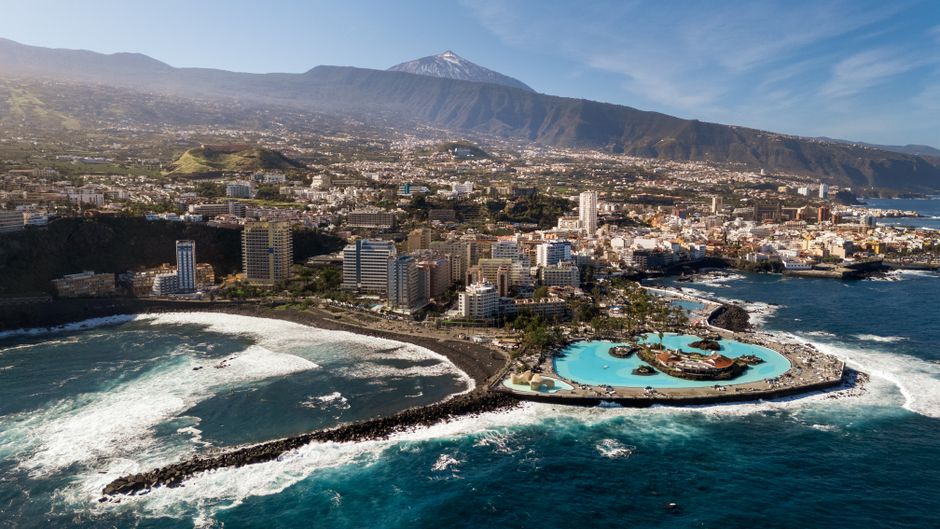
Tenerife, the largest of the Canary Islands, is surprisingly varied for an island of just 2,034 km²: black and golden sand beaches, laurel forests, charming farming villages, and the volcanic summit of El Teide dominating the horizon. Picking where to sleep in Tenerife isn’t just about convenience — it shapes the pace of your days, the weather you’ll wake up to, the activities on your doorstep, and the kind of local experience you’ll have. Staying in the north, the south or the centre of the island gives you three very different takes on Tenerife — each with practical, cultural, culinary and natural highlights.
This guide breaks things down region by region: North (Puerto de la Cruz, La Laguna, Garachico), South (Costa Adeje, Playa de las Américas, Los Cristianos) and Centre (Teide National Park, Vilaflor, Icod de los Vinos). For every area you’ll find specific hotel and restaurant recommendations, key attractions, typical opening hours, indicative prices in euros, practical tips and vivid impressions to help you decide where to book based on your travel style (family, couple, hiker, partygoer, foodie).
Written in a clear, informative style, this guide focuses on real experiences: where to wake up to a sea breeze, where to watch a sunset from a rugged coast, where to head at dawn for a mountain hike, and how to avoid common surprises (traffic, microclimates, parking). We also add local tips — best quiet times to visit popular sites, neighborhood restaurants that aren’t tourist traps, and accommodation alternatives by budget — so your trip matches expectations. Each section includes exact addresses, approximate costs and typical opening hours for clarity.
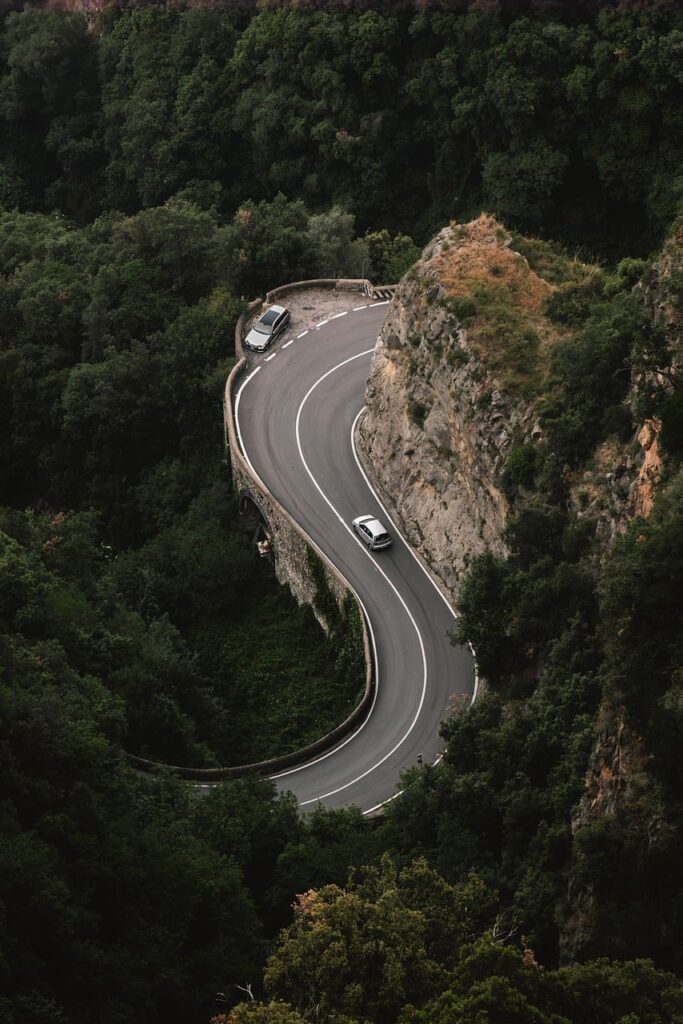
Before we dive in: it’s useful to know Tenerife has pronounced microclimates. The north tends to be cooler and greener with morning mist, the south is dry and sunny most of the year, and the centre — at altitude — can be very cool at night even in summer (bring a jacket). Distances on the island are short — think in drive times rather than kilometres — but mountain roads (TF-1, TF-5, TF-21) require care and often take longer than expected.
Throughout the text you’ll find activity suggestions for each day, lodging options from five-star hotels to rural bungalows, plus transport tips (car hire, intercity buses like TITSA). We’ve also included visual cues (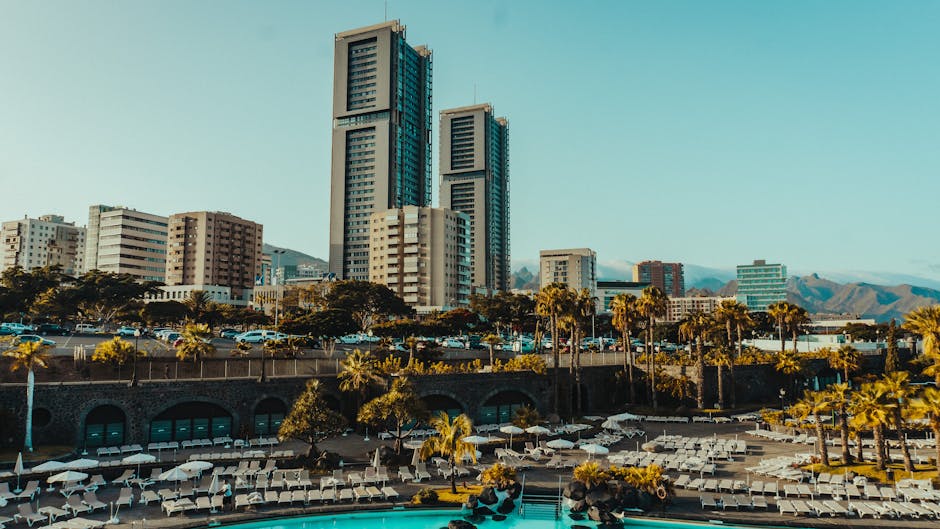 ) to help you imagine the landscapes and spots mentioned. Pack your bags — let’s explore where it’s best to sleep in Tenerife depending on what you want out of the trip.
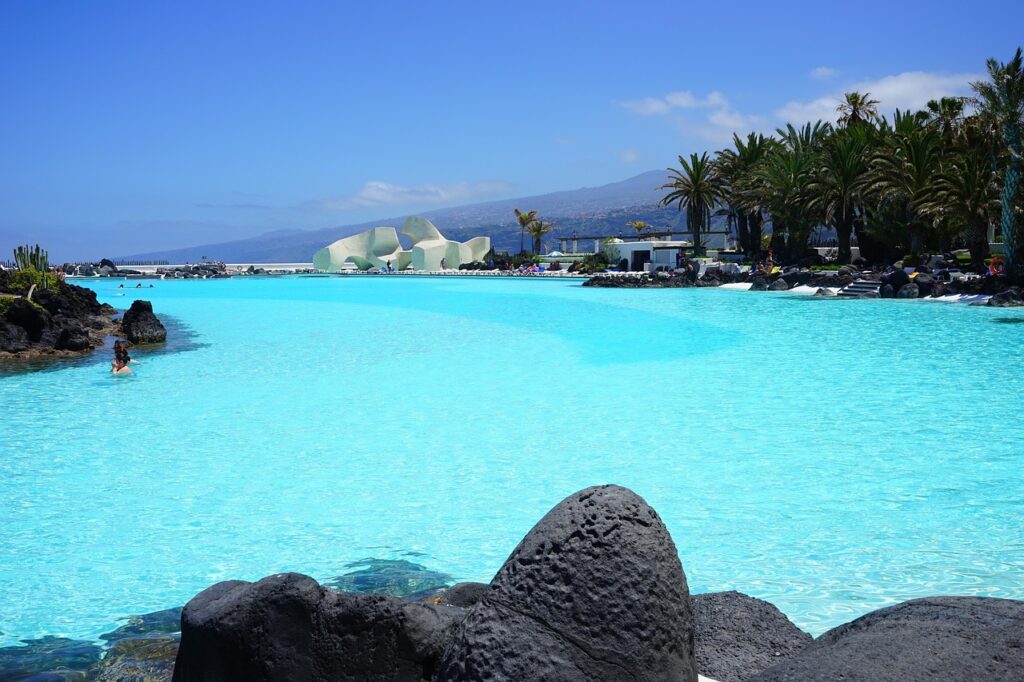
North Tenerife — Lush vibes, historic towns and local culture
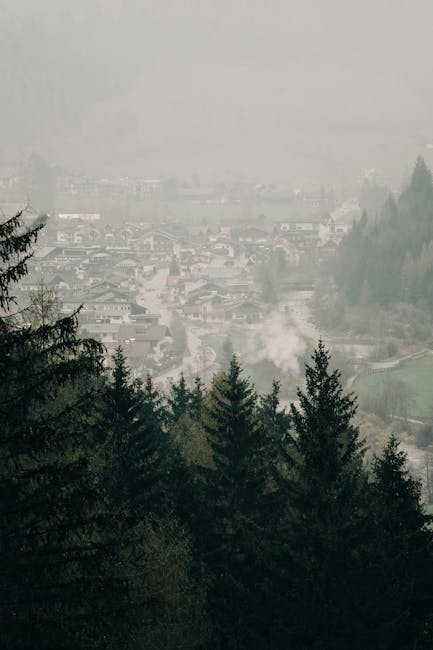
North Tenerife (Puerto de la Cruz, San Cristóbal de La Laguna, Icod de los Vinos, Garachico) is for travelers after a more authentic feel: rich vegetation and Canary Islands heritage. Mornings can be cool and misty, with sunshine breaking through later in the day. Staying in the north puts you close to botanical gardens, colonial architecture and excellent restaurants focused on local produce.
Recommended accommodation:
- Hotel Botánico & The Oriental Spa — Calle Retamar, 7, 38400 Puerto de la Cruz. Double rooms from around €160 per night in low season. Spa and tropical garden, heated outdoor pool. 24-hour reception. Breakfast buffet 08:00–10:30 (€15–20 if not included).
- La Laguna Gran Hotel — Calle Carrera, 38, 38201 San Cristóbal de La Laguna. Double rooms from €90. Ideal base for exploring the UNESCO-listed historic centre. Reception 07:00–23:00.
- Country house (Casa Rural) in Icod de los Vinos — Calle Leandro A. Gómez, 14, 38430 Icod de los Vinos. Rates vary: €60–120 per night depending on season. Book ahead recommended.
Key sites and activities:
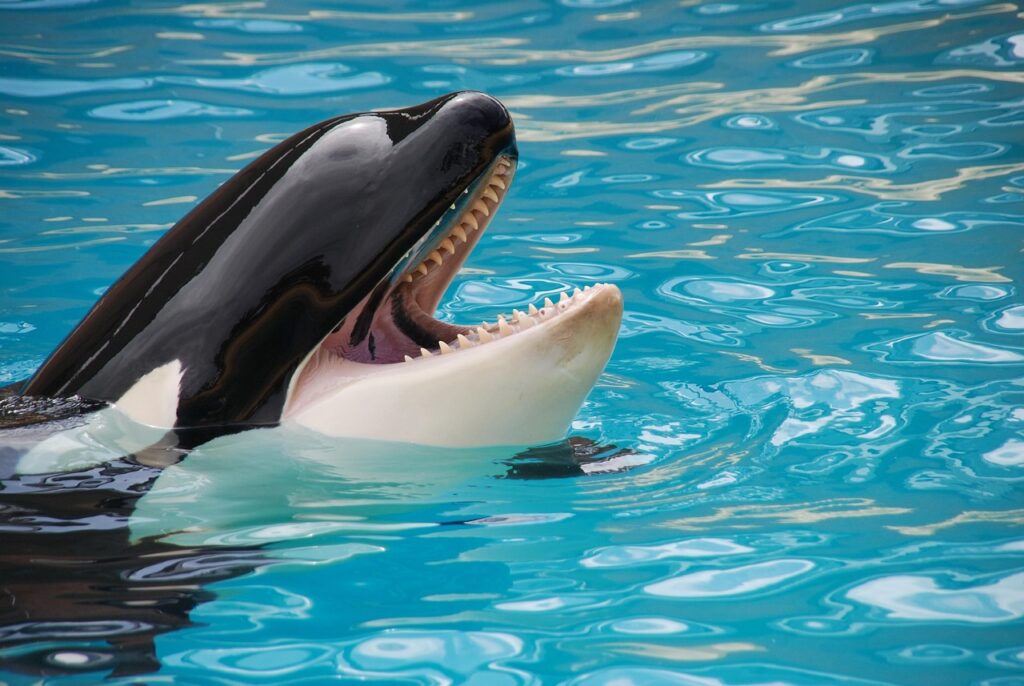
- Loro Parque — Avenida Loro Parque, s/n, 38400 Puerto de la Cruz. Hours: 08:30–18:45 (seasonal changes). Price: around €39 adult, €27 child (promotional prices sometimes available online). Famous animal park with orca and dolphin shows, and a huge bird collection.
- Botanical Garden (Jardín de Aclimatación de La Orotava) — Calle Retama, s/n, 38400 La Orotava. Hours: 09:00–17:00. Entry: around €3–5. Wander among subtropical plants and centuries-old trees.
- Cathedral of San Cristóbal de La Laguna — Plaza del Adelantado, 38201 San Cristóbal de La Laguna. Open for self-guided visits during the day; religious services on Sundays. Colonial architecture and lively cafés give the town a student and cultural atmosphere.
- El Bollullo Beach — Carretera General TF-5, Km 52 (near La Orotava). Access via a steep path; parking is limited. Spectacular black-sand beach, perfect for a peaceful afternoon.
Local tips and practical advice:
- The north boasts a strong food scene. Try Casa Mediterránea (Calle San Felipe 1, 38400 Puerto de la Cruz) or the small tapas bars around Plaza del Charco. Typical meal price: €15–30 per person excluding drinks.
- Driving can be slower due to winding mountain roads; factor in extra travel time if you need to cross the island to the south.
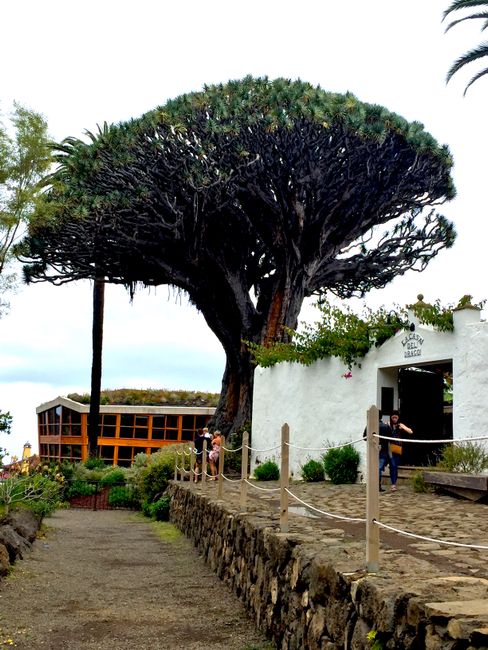
- Hikers should start early to avoid the mist: Teno Rural Park and the Drago Milenario area in Icod are must-sees. Drago Milenario — Plaza de San Marcos, 38430 Icod de los Vinos; outdoor viewing is free, Drago museum: approx. €5.
South Tenerife — Sun, beaches and modern tourist infrastructure
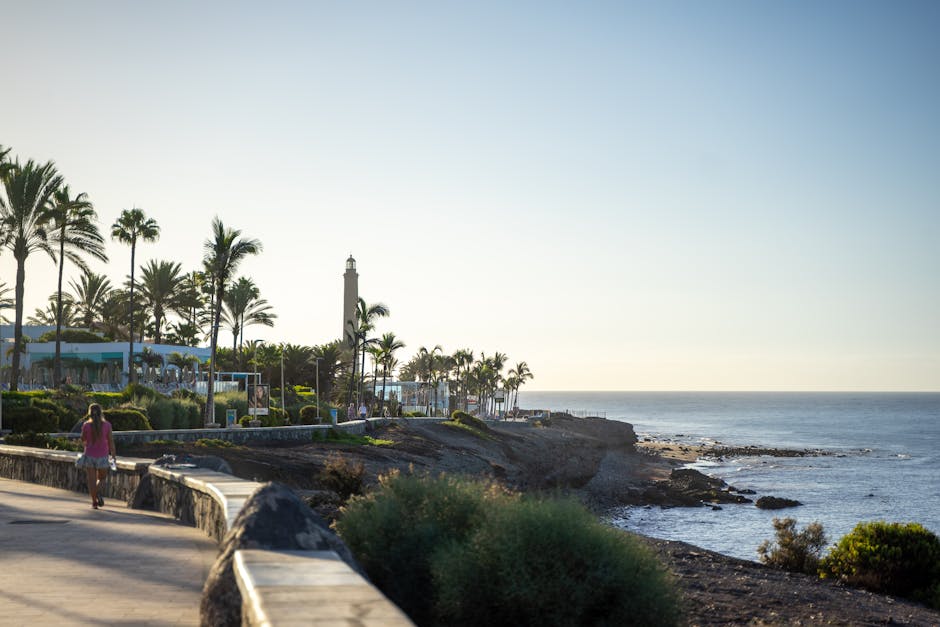
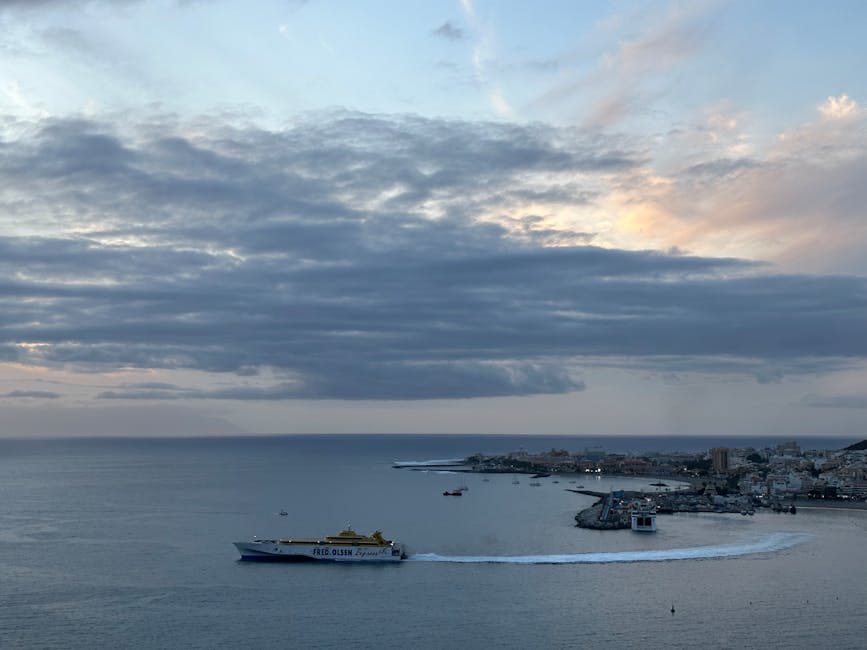
South Tenerife (Costa Adeje, Playa de las Américas, Los Cristianos) is the postcard version of beach tourism. Dry, sunny weather most of the year, long developed beaches, water parks, a wide range of hotels and a lively nightlife: it’s perfect for visitors who want an easy, activity-packed holiday with great access to water sports and Tenerife South Airport (Tenerife South — Aeropuerto Tenerife Sur Reina Sofía).
Hotels and addresses:
- Hotel Jardín Tropical — Avenida de Bruselas, 6, 38660 Costa Adeje. Double rooms from €120 per night in low season. Multiple-tier pools, direct access to the seafront promenade. 24-hour reception; breakfast buffet 07:30–10:30 (€15 if not included).
- Hard Rock Hotel Tenerife — Av. Adeje (Playa Paraíso), 38660 Adeje. Double rooms from €180. Family facilities and evening entertainment. Book ahead in high season.
- Parador de Las Cañadas del Teide (central but frequently used by hikers coming from the south) — Carretera TF-21, km 43.5, 38300 La Orotava. Double rooms from €110. Handy for early starts to reach Teide.
Must-see attractions and opening times:
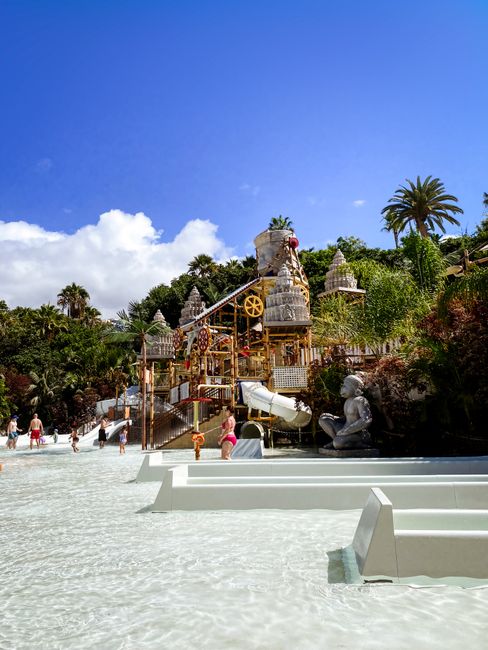
- Siam Park — Av. Siam, s/n, 38660 Costa Adeje. Hours: 10:00–17:00 (extended in summer). Price: about €38–44 for a day pass (buy online for discounts or fast-track). Renowned water park with dramatic slides (Tower of Power, The Dragon).
- Playa de las Américas — Avenida Rafael Puig Lluvina, Playa de las Américas, 38650 Arona. Beach and seafront promenade lined with bars and restaurants. A lively resort — ideal for families and night owls.
- Los Cristianos — Puerto de Los Cristianos, 38650 Arona. Ferry port for La Gomera; regular sailings from the harbour (companies like Fred Olsen Express). Ferry fares vary — approx. €40–60 return depending on season.
Practical tips and budget notes:
- If your priority is beaches and guaranteed sunshine, the south is the clear choice: higher average temperatures and rare rain.
- Tourist restaurants can be pricier than in the north; look for “guachinches” (small family-run venues) along the TF-28 for authentic Canarian meals at better prices (€10–20 per person).
- To avoid the crowds on main beaches, aim for spots like Playa del Duque (Avenida de Bruselas, Costa Adeje) early in the morning. Parking is paid and there are loading/unloading zones nearby.
Central Tenerife — Volcanoes, starry skies and mountain villages
The island’s centre, dominated by Teide National Park, offers a completely different experience: high altitude, lunar landscapes, hiking and some of the clearest skies in Europe for stargazing. Staying in the centre (Vilaflor, El Portillo, or near the Cañadas) is ideal for hikers, photography enthusiasts and anyone wanting an early start to watch sunrise over El Teide.
Convenient places to stay:
- Parador de Las Cañadas del Teide — Carretera TF-21, km 43.5, 38300 La Orotava. Tel: +34 922 922 700 (reception). Rooms from €110. Closed some days off-season for maintenance; check ahead. Advantage: direct access to park trails and outstanding sunrise/sunset views.
- Pensión El Portillo — Carretera del Portillo, 6, 38360 El Portillo (near the park). Simple rates: €40–70 per night. Great for hikers and amateur astronomers.
- Rural lodgings in Vilaflor — Calle Real, 28, 38612 Vilaflor. Guesthouse options: €50–100 per night depending on comfort.
Sites, opening times and prices:
- Teide National Park — Open 24/7; some car parks are paid. The landscape is protected: stick to marked trails and be mindful of altitude. Highlights: Roques de García, Mirador de la Fortaleza.
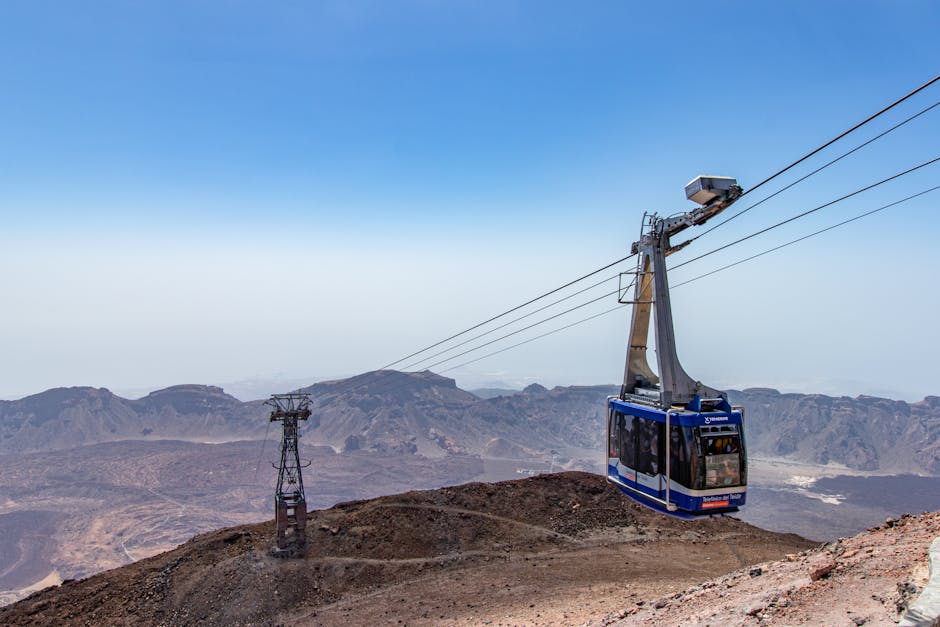
- Teide Cable Car (Teleférico del Teide) — Lower Station: Carretera TF-21, 38300 La Orotava (approx. coordinates). Hours: 09:00–16:00 (subject to change by season and weather). Price: about €27 return for adults (online purchase possible). Note: the cable car doesn’t reach the summit itself (summit access is restricted by permit — book the summit permit via Parques Nacionales).
- Teide Observatory (Izan) — Carretera TF-24, km 43. Public guided-visit hours vary and booking is required through the Instituto de Astrofísica de Canarias. Visit costs and availability fluctuate; expect €10–20 for some tourist activities.
Local safety and practical advice:
- Nights can be cold, even in summer. Pack warm layers and a windproof jacket if you’re staying at altitude.
- Reduced oxygen may be noticeable above 2,000 m (Teide’s summit reaches 3,718 m). If you feel unwell, descend immediately and hydrate. Consult your doctor if you have respiratory or heart conditions before attempting high-altitude hikes.
- If you want sunrise from the summit, arrange a guided trip or stay nearby for an early start: the Parador and various viewpoints offer spectacular vistas but require planning.
Conclusion — How to choose based on your priorities
Where to sleep in Tenerife should depend on what matters most to you: climate, activities, budget and the type of experience you want. The north provides a leafy, cultural and more authentic side of the island, with botanical gardens, historic villages and a rich local food scene. The south is ideal for guaranteed sun, developed beaches, modern facilities and a lively nightlife — perfect for families and beach tourists. The centre is the realm of volcanic scenery and hikers, with a major perk: dark, star-filled skies and easy access to Teide National Park.
Here are some final, practical recommendations by traveller type:
- For families with kids: the south (Costa Adeje, Playa de las Américas) for lifeguarded beaches, attractions like Siam Park (Av. Siam, s/n, 38660 Costa Adeje; 10:00–17:00; €38–44) and proximity to Tenerife South airport.
- For culture and food lovers: the north (San Cristóbal de La Laguna, Puerto de la Cruz) for local restaurants, markets and colonial architecture — stay in the heart of La Laguna (Calle Carrera, 38) to do everything on foot.
- For hikers and photographers: the centre and accommodations near Teide (Parador de Las Cañadas del Teide, TF-21 km 43.5). Rise early for the golden light and consider booking the cable car in advance (approx. €27 return).
- For budget travellers: look for guesthouses and short-term rentals in northern and inland villages (Icod de los Vinos, Vilaflor): €40–80 per night is common outside peak season.
Other practical tips: always check up-to-date opening times and prices before arrival (hours and fees can change with the season and maintenance), book early during busy periods (Christmas, Carnival, spring break) and verify parking availability if you rent a car (limited spaces at popular spots). Also consider combining several areas to get the best of the island: two nights in the north for culture and nature, a few nights in the south for beach and relaxation, and one night in the centre for a Teide experience makes a well-balanced trip.
Tenerife reveals itself at different paces and each region has its strengths. Whether you prefer the whisper of a Canary garden, the buzz of a seaside promenade or the silent stars of a volcanic plateau, where you sleep will shape how you experience the island. Use this guide to weigh the pros of each region, note the addresses and hours that interest you, and build an itinerary that matches your tastes: scenery, tempo and comfort. Safe travels and may your Tenerife trip meet every expectation.