





Introduction — Where to stay in Tenerife: picking your base by vibe
Tenerife is the largest of the Canary Islands and offers an incredibly varied range of vibes: golden or black sand beaches, peaceful mountain villages, lush forests, lunar plateaus around Teide, and lively towns. Where you choose to stay in Tenerife will shape not only the mood of your trip, but how easy it is to reach the activities you want — hiking, surfing, stargazing, nightlife, museums, or simply lounging by the pool.
This region-by-region guide helps you pick the best base depending on your priorities: proximity to the airport and amenities, beach quality, access to hikes, calm for families, or buzz for party-goers. For each area you’ll find concrete accommodation suggestions (hotels, apartments and rural homes), exact addresses, price ranges in euros, relevant opening times (reception, check-in/check-out, restaurants, lifeguarded beaches), and local tips to optimize your travel and activities. Recommendations cover luxury options as well as budget-friendly or authentic alternatives.
Before booking, keep a few practical points in mind: renting a car is very useful if you plan to explore the island (expect around €20–60 per day depending on season and vehicle type). Roads between north and south can be winding and take longer than the distance suggests; for example, the drive between Santa Cruz and Costa Adeje can take 1h15 to 1h45 by highway/coastal road depending on traffic. Services like supermarkets, gas stations and pharmacies are well distributed, but in rural areas (Anaga, Teide) it’s wise to plan ahead.
This guide is aimed at a broad audience: couples, families, hikers, watersports enthusiasts, and travellers after culture or tranquility. Each section lists specific places with addresses and typical price ranges (average rates outside/peak season may vary), plus typical opening hours (reception, breakfasts, lifeguarded beaches, museums). You’ll also find local tips — for example where to go for a unique sunset, how to avoid crowds, or which beaches are lifeguarded for families with children.
Image markers are inserted at the most visual spots to help you picture each region: beachscapes, historic lanes, volcanic peaks, surf spots and boutique hotels. Use these visual cues to imagine your stay and refine your choice of base. Pack your bags: whether you want the buzz of the south or the green charm of the north, Tenerife has a lodging area that will suit you perfectly.
Santa Cruz de Tenerife — urban base, culture and quick access
Santa Cruz de Tenerife, the capital on the northeast coast, is a great base if you want to combine hiking, museums, shopping and quick access to the port or Tenerife North Airport (Los Rodeos). The vibe is definitively urban, with wide avenues, markets like Mercado de Nuestra Señora de África (address: Plaza de la Paz, s/n, 38003 Santa Cruz de Tenerife), open Monday to Saturday from 07:00 to 20:00 and offering local produce. The city also has a varied nightlife and fine dining options.
Recommended accommodations:
- Iberostar Heritage Palacio San Sebastián — Avenida Ángel Guimerá, 21, 38003 Santa Cruz de Tenerife. Price: from €120 / night in low season, often €180–260 in high season. 24-hour reception. Buffet breakfast served 07:00–10:30. Seafront hotel with rooftop and direct access to the Paseo Marítimo.
- Adonis Plaza Hotel — Plaza Weyler, 7, 38003 Santa Cruz de Tenerife. Price: €70–110 / night. Reception 08:00–23:00 (early check-in possible on request). Good value and central location.
- Apartamentos Ruiz — Calle del Castillo, 12, 38003 Santa Cruz de Tenerife. Price: €50–90 / night for one-bedroom apartments. Ideal for longer stays; check-in often from 15:00, check-out 11:00.
Practical points: Tenerife North Airport (TFN) is about 15–20 minutes by car and easily reachable by taxi (roughly €20–30) or bus (lines 20/22 depending on destination). The cargo and passenger port offers ferry trips to La Gomera from the Estación Marítima (address: Avenida Francisco La Roche, s/n, 38003), with regular departures — check seasonal schedules, generally from 07:00 until 20:00 for main routes.
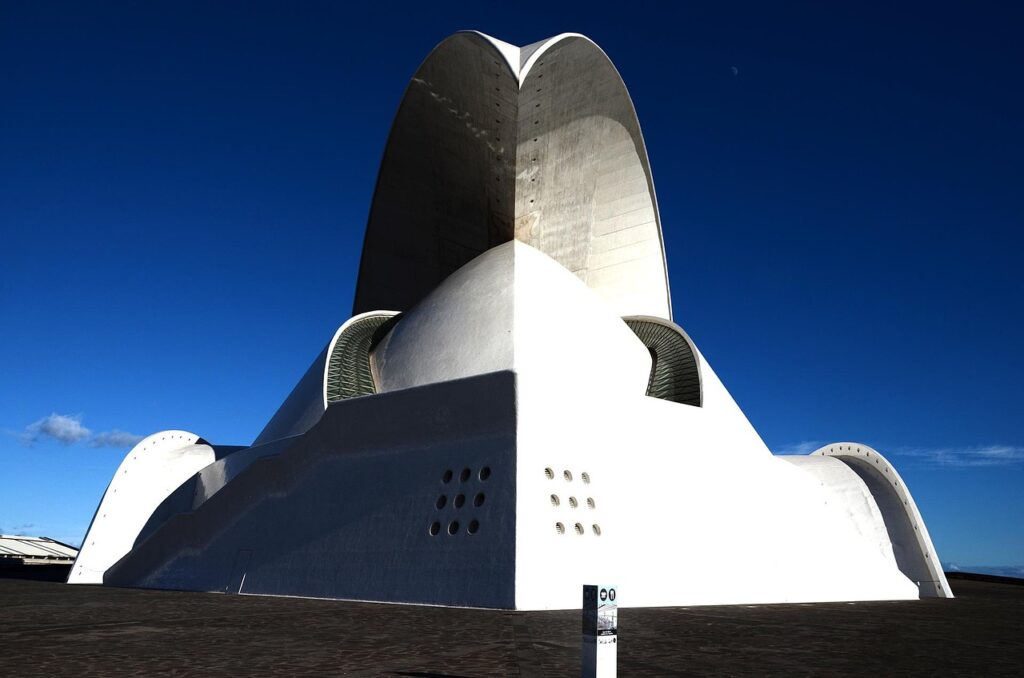
Why choose Santa Cruz: ideal for travellers who want to combine culture (Auditorio de Tenerife — Av. de la Constitución, 1; concerts often 20:00–21:30; tickets €20–70), shopping, local restaurants and quick trips to the north of the island or La Laguna. However, if you’re after sunbathing and guaranteed swimming-friendly beaches, the south is a better fit.
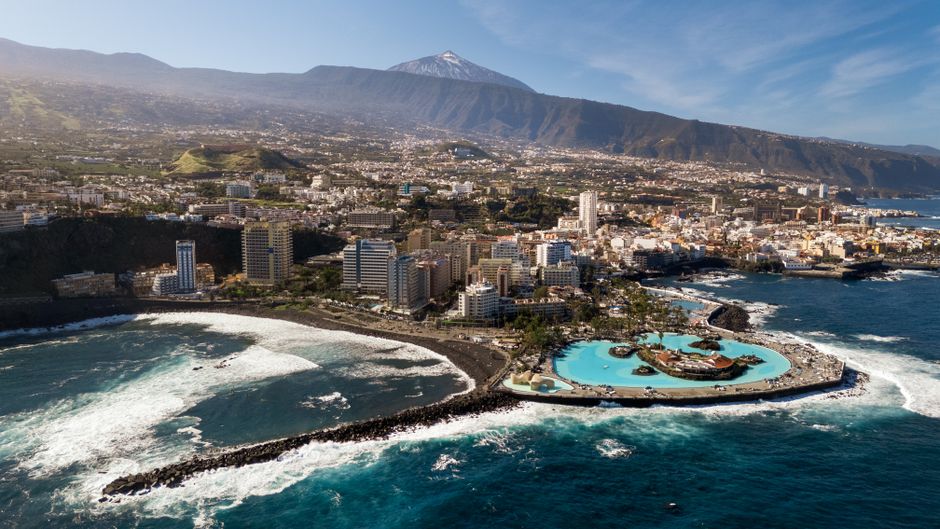
Puerto de la Cruz and La Orotava — historic charm and gateway to rural parks
The northwest coast, with Puerto de la Cruz and the valley of La Orotava, offers a more traditional atmosphere shaped by cooler weather and Canarian architecture. It’s a great base for those who want to tackle trails, visit botanical gardens, and enjoy a wilder sea. Beaches are often black volcanic sand; the best-known is Playa Jardín (Avenida de Colón, 38400 Puerto de la Cruz) with seasonal lifeguards and easy access from the town center.
Suggested accommodations:
- Hotel Botanico & The Oriental Spa Garden — Calle Retama, 43, 38400 Puerto de la Cruz. Price: €150–350 / night depending on suites and season. 24-hour reception. Spa open 09:00–20:00 (reservation required). High-end property with tropical gardens and gourmet restaurants.
- Sol Costa Atlantis Tenerife — Av. Venezuela, 1-7, 38400 Puerto de la Cruz. Price: €80–140 / night. Outdoor pool, close to Lago Martiánez (a pool complex designed by César Manrique).
- Hostal El Tope — Calle Las Lonjas, 32, 38400 Puerto de la Cruz. Price: €35–60 / night. Budget option with simple rooms and family-run service. Check-in usually after 14:00.
Activities and opening times:
- Jardín Botánico — Calle Retama, 2, 38400 Puerto de la Cruz. Hours: 09:00–18:00 (seasonal changes possible). Admission: around €5–7.
- Lago Martiánez — Avenida de Colón, s/n, 38400. Hours: 09:00–19:00 in summer; paid access for some areas (€3–6).
- La Orotava (historic centre) — Calle San Francisco, 4, 38300 La Orotava. Museums and colonial houses often open 10:00–17:00. Visit Casa de los Balcones (C/ San Francisco, 2): admission €3–5.
Local tips: the north enjoys more humidity and frequent cloud cover in the afternoons; for the clearest views, head out early to hike in the Anaga massif or to take trips toward Teide. Seafood restaurants along the port often offer daily dishes for €10–18 and are excellent value. Also, park in municipal lots (usually €1–3 / hour) rather than squeezing into narrow streets.
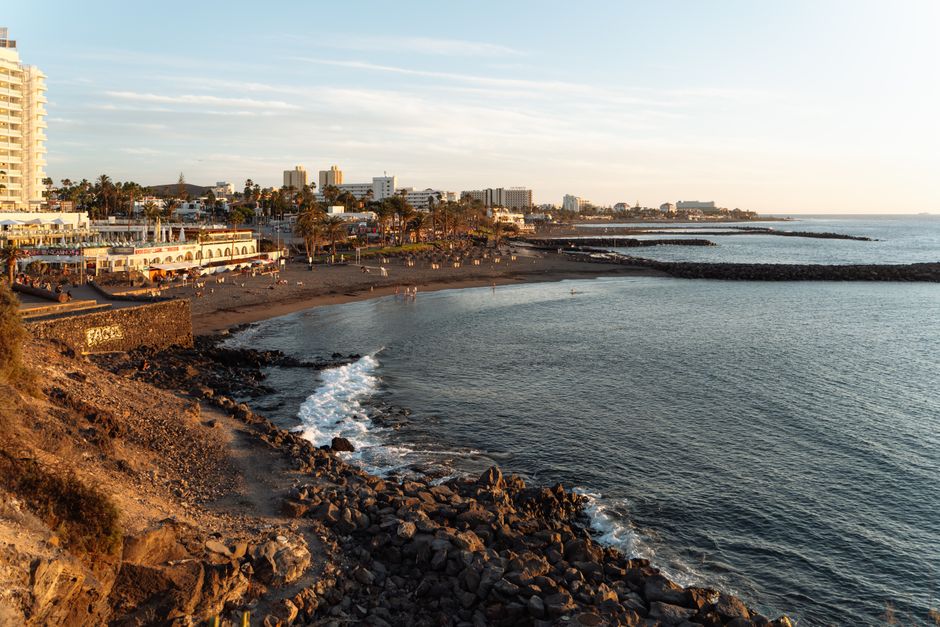
South Coast: Costa Adeje, Playa de las Américas and Los Cristianos — beaches, resorts and nightlife
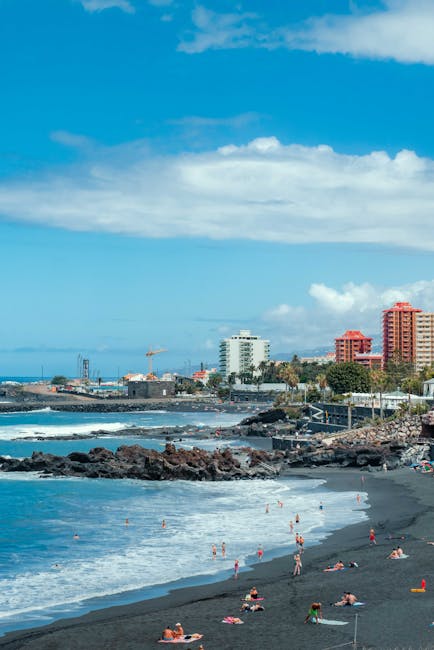
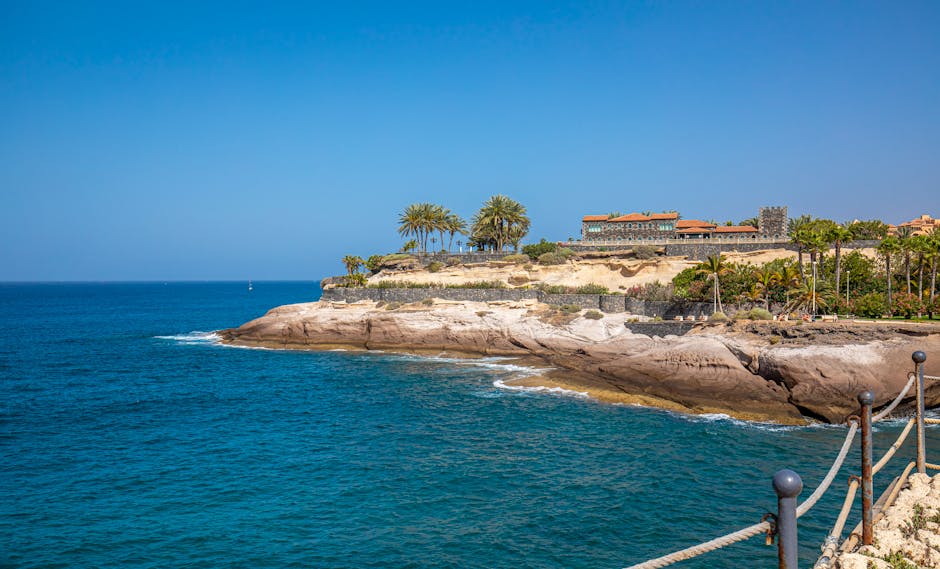
South Tenerife is the island’s classic tourist zone, with sunny beaches, a huge hotel offering and a lively nightlife. Three areas stand out: Costa Adeje (more upscale and family-friendly), Playa de las Américas (party scene) and Los Cristianos (port town, family-oriented). If your priority is swimming, sunbathing, international dining and access to boat trips (dolphins, whales), this is where to stay.
Accommodation suggestions:
- Bahía del Duque — Avenida de Bruselas, s/n, 38660 Costa Adeje. Price: suites and rooms €200–600 / night. 24-hour reception, breakfast 07:00–11:00. Luxury resort with private beaches and gourmet restaurants.
- H10 Costa Adeje Palace — Av. de Bruselas, 9, 38660 Costa Adeje. Price: €120–280 / night. Family services, pools and entertainment. Check-in after 15:00, check-out 12:00.
- Hotel Cleopatra Palace — C. Central, 0, 38650 Playa de las Américas. Price: €90–180 / night. Central location with direct access to the seaside promenade and bars.
- Spring Arona Gran Hotel & Spa — Av. Rafael Puig Lluvina, 1, 38650 Los Cristianos. Price: €80–160 / night. Close to the port and Las Vistas beach (Playa de Los Cristianos, 38650).
Beaches and opening times:
- Playa del Duque — Av. de Bruselas, 38660 Costa Adeje. Lifeguarded in high season, rescue posts often open 10:00–18:00. Showers and sunbed rentals €5–15 / day.
- Playa de las Américas (South) — seafront promenade accessible 24/7, swimming areas lifeguarded seasonally, watersports available (jet-ski, paddle) 09:00–18:00, prices vary €15–60 / activity.
- Playa de Las Vistas — Los Cristianos harbour, 38650. Very family-friendly, monitored during the day and with easy ferry access to La Gomera (tickets €30–60 return depending on season).
Practical tips: the south is sunny almost year-round — bring sunscreen and stay hydrated. To avoid crowds, aim for the beach early morning (07:30–10:00) or late afternoon. International restaurants serve meals €10–35 per person; for a more local experience, look for « guachinches » (Canarian food stalls), often off the beaten path and offering full meals for €8–18.
La Laguna and Anaga — heritage, hiking and green adventure
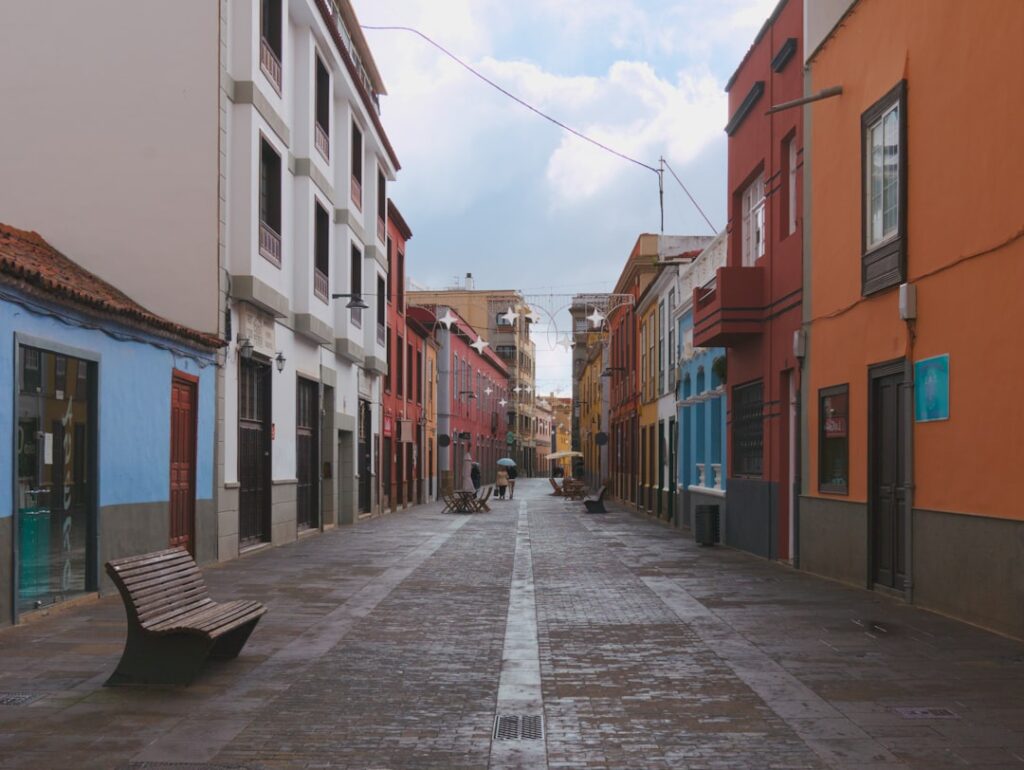
San Cristóbal de La Laguna (commonly called La Laguna) is a university city and a UNESCO World Heritage site. It’s an excellent base for travellers who want a mix of historic sites, cafés, markets and access to hikes in the Anaga massif. Pedestrian alleys, churches and squares offer a more authentic feel than the tourist south.
Addresses and lodging options:
- Hotel Laguna Nivaria — Plaza del Adelantado, 12, 38201 San Cristóbal de La Laguna. Price: €70–140 / night. Central hotel, 24-hour reception. Breakfast 07:30–10:30.
- Apartamentos San Cristobal — Calle Herradores, 16, 38201. Price: €45–90 / night. Practical apartments for longer stays, flexible check-in.
- Casa Rural Anaga — Carretera de Taganana, s/n (near Taganana). Exact address to confirm when booking. Price: €60–120 / night. Rural option for hikers who want to sleep close to Anaga trails.
Hikes and access:
- Parque Rural de Anaga — access from Cruz del Carmen (TF-12). Hours: road access 24h but visitor centres often open 09:00–17:00. Marked trails: Taganana to Benijo hike (3–5 hours depending on level). Bring water and hiking shoes.
- Geological observatory and viewpoints — Mirador de Jardina, TF-12. Great vantage point to see the north coast and the ocean, especially at sunrise.
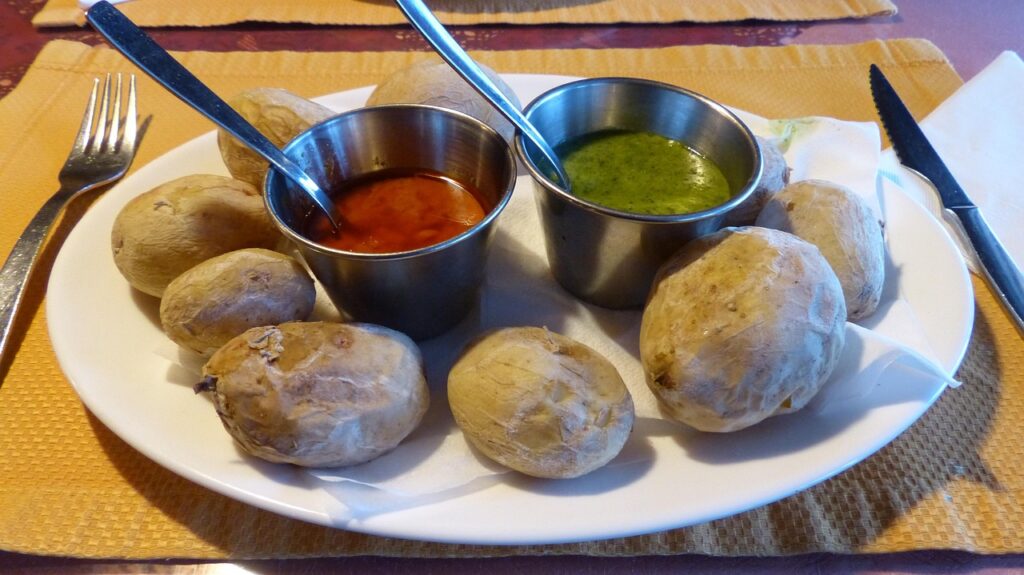
Local tips: La Laguna is well connected by public transport to Santa Cruz (regular buses 10–20 minutes, fares €1.4–2.5 depending on line). For an authentic experience, visit the cafés on Plaza del Adelantado and try papas arrugadas with mojo (€3–8). Anaga trails can be wet and muddy; a windbreaker and waterproof hiking shoes are recommended, especially in autumn and winter.
El Médano and the southeast coast — kites, windsurf and laid-back boho vibes
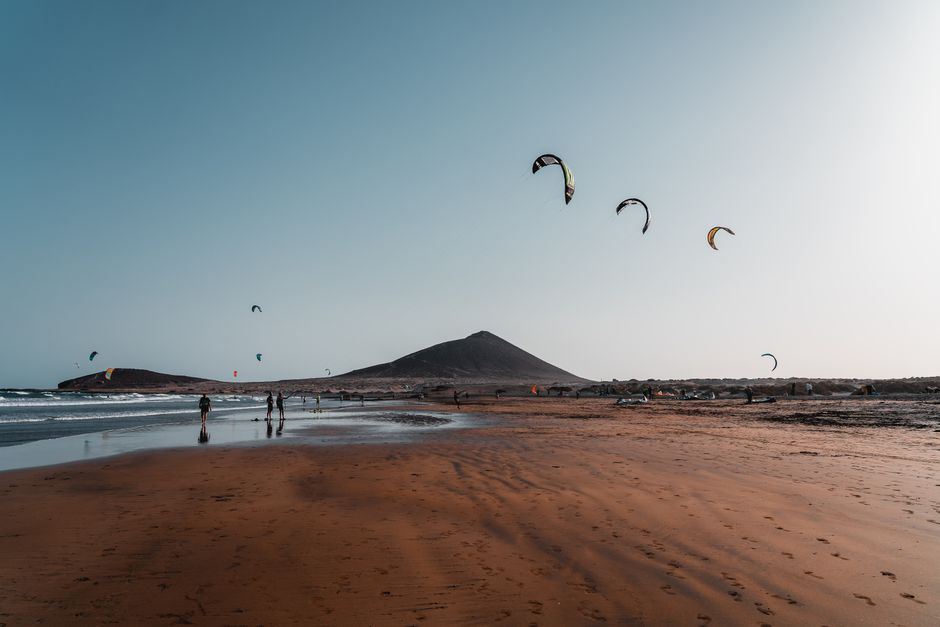
El Médano is Tenerife’s wind-sports mecca: kitesurfing, windsurfing and sailing are practiced year-round thanks to the trade winds. The village has a bohemian spirit, wide beaches and accommodation ranging from budget apartments to boutique hotels. It’s perfect for active travellers or anyone wanting a relaxed atmosphere away from the mega-resorts.
Typical accommodations:
- Hotel Médano — Av. Marítima, 52, 38612 El Médano. Price: €60–120 / night. Reception 08:00–22:00. Close to the beach and town centre.
- Hostal La Gaviota — Calle la Palmera, 2, 38612. Price: €35–70 / night. Simple rooms, great location for windsurf schools.
- Casa Julia (apartment) — Calle de San Juan, 5, 38612. Price: €50–100 / night. Apartment option near the beach.
Spots and schools:
- Playa de El Médano — promenade and kitesurfing area. Designated zones with safety; schools generally open 09:00–18:00. Intro lessons €40–80 / hour depending on the package.
- Red Wind Surf School — beachfront El Médano (address varies by season). Equipment rental: €15–40 / hour; day rates €40–120.
Tips: the best wind season runs April to October. Even if you don’t take a lesson, El Médano is ideal for watching the action on the beach, sampling seafood in local restaurants (menus €10–25) and enjoying a relaxed coastal village vibe. Ferries and buses to other parts of the island run regularly but less frequently than from the major southern tourist hubs.
Teide, Vilaflor and mountain lodgings — for stargazers and nature lovers
If your aim is to climb or observe Parque Nacional del Teide, staying in mountain areas like Vilaflor or Chío gives you privileged access to trails, the Teide cable car and exceptional night skies. Accommodations here tend to be rustic: rural houses, mountain hotels and apartments with dramatic views.
Lodging options:
- Parador de Las Cañadas del Teide — Carretera TF-21, km 43.9, 38370. Price: rooms €120–200 / night. 24-hour reception. Excellent starting point for early morning hikes and stargazing.
- Hotel Villa de Abona — Calle Rambla, 20, 38639 Vilaflor. Price: €60–110 / night. The highest village in Spain, peaceful atmosphere and local restaurants.
- Casa Rural La Higuera — Chío area, exact address per reservation. Price: €50–130 / night depending on season. Perfect for groups and families seeking quiet.
Hours and practical info:
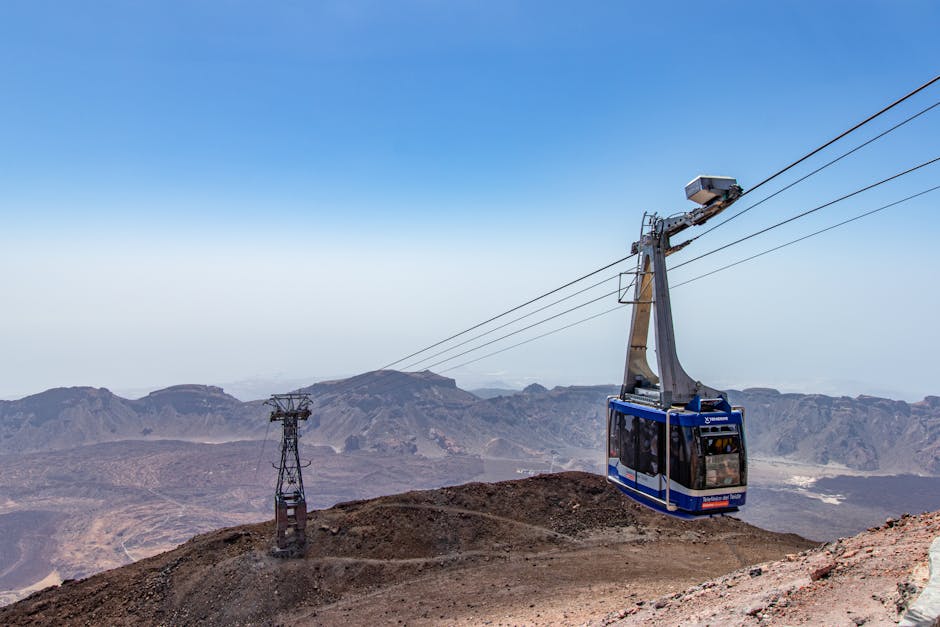
- Teleférico del Teide — Estación Teleférico, TF-21, 38300. Hours: generally 09:00–16:00 (seasonal changes; last ascent 14:30–16:00). Cable car fare: ~€27 round trip adult (indicative). Online booking strongly recommended. Protected zone; summit access times are regulated.
- For stargazing, several guided tours depart after 20:30 from local hotels; prices €35–80 depending on format and duration.
Local tips: mountain temperatures can drop sharply at night even in summer — pack warm layers. Roads TF-21 and TF-38 may close in extreme weather; check conditions before heading out. To avoid crowds at the cable car, book the earliest ascent of the morning.
Conclusion — picking the ideal base for your profile
Where to stay in Tenerife depends mainly on your priorities: if you want guaranteed sun, developed beaches and nightlife, the south (Costa Adeje, Playa de las Américas, Los Cristianos) is the best option. For cultural immersion and quick access to the northern airport, Santa Cruz and La Laguna are perfect. Nature lovers and tranquility seekers will be happy in the north (Puerto de la Cruz, La Orotava), and the mountain areas (Anaga, Teide) deliver unparalleled hiking and stargazing experiences.
Each region offers a range of accommodations: luxury hotels with spas and 24-hour service, family-run places, apartment rentals and rural homes. The prices shown here are average ranges depending on season; book ahead in high season (December–January, February, July–August) to secure availability and the best rates. Also factor in logistics: a rental car is recommended to explore the island freely — compare several agencies (prices €20–60 / day depending on vehicle and insurance). Public transport is reliable for travel between main towns, but less frequent for mountain villages and remote trails.
Final practical tips:
- If you plan to explore the island in depth in less than a week, choose a central base (Santa Cruz/La Laguna) or split your stay between two bases (for example, 3 nights in the south for beaches + 3 nights in the north/Teide for nature).
- For watersports, El Médano (kitesurf) and the southern beaches (surfing, diving) offer schools and equipment rentals. Book lessons in high season.
- For hikes, start early to avoid rising clouds and humidity, especially in Anaga. Bring water, a windproof layer and proper hiking shoes.
- For Teide ascents or cable car access, book tickets in advance and check the weather — hours can change and the summit may close in strong winds.
Finally, give yourself time to taste the local cuisine: Canarian tapas, fresh fish, papas arrugadas with mojo, and the island’s wines. Tenerife is an island of contrasts — the base you choose will influence your overall impression, but whichever you pick, you’ll have access to memorable landscapes, rich culture and warm hospitality.